Understanding the
'Vagus Nerve'
Understanding the
'Vagus Nerve'
Unraveling the Mysteries of the Body's Superhighway
OVERVIEW
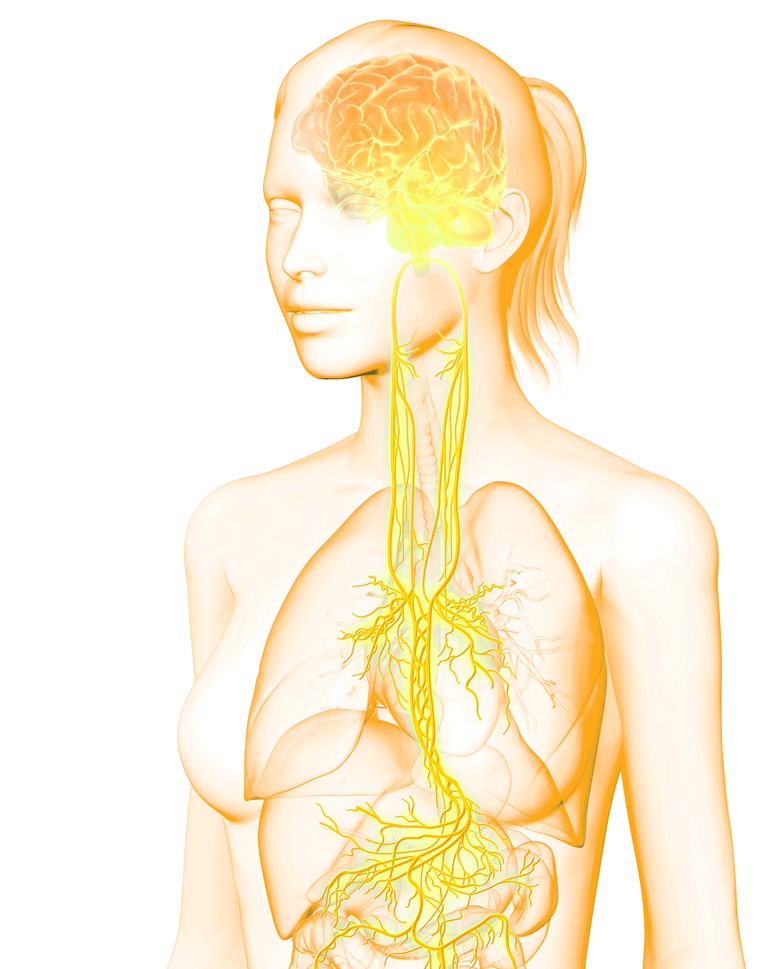
In the enigmatic world of the human body, there exists a double laned, neural superhighway of communication responsible for countless processes, influencing our emotions, digestion, immunity, organs and much more. Aptly named from the Latin word 'Vagus' meaning 'wandering' or 'vagrant', this nerve travels throughout the body like a curious explorer, navigating the hidden valleys and secret passages of our anatomy.
In the enigmatic world of the human body, there exists a double laned, neural superhighway of communication responsible for countless processes, influencing our emotions, digestion, immunity, organs and much more. Aptly named from the Latin word 'Vagus' meaning 'wandering' or 'vagrant', this nerve travels throughout the body like a curious explorer, navigating the hidden valleys and secret passages of our anatomy.
Physically the Vagus Nerve is a long, mixed nerve with sensory (afferent - 80%) and motor (efferent - 20%) fibers. Afferent neurons send sensory information to your brain, while efferent neurons transmit signals from your brain to your muscles and organs to control movement and bodily functions. It resembles a delicate, whitish-colored vine-like cable with feathery, fine roots, spreading throughout your body.
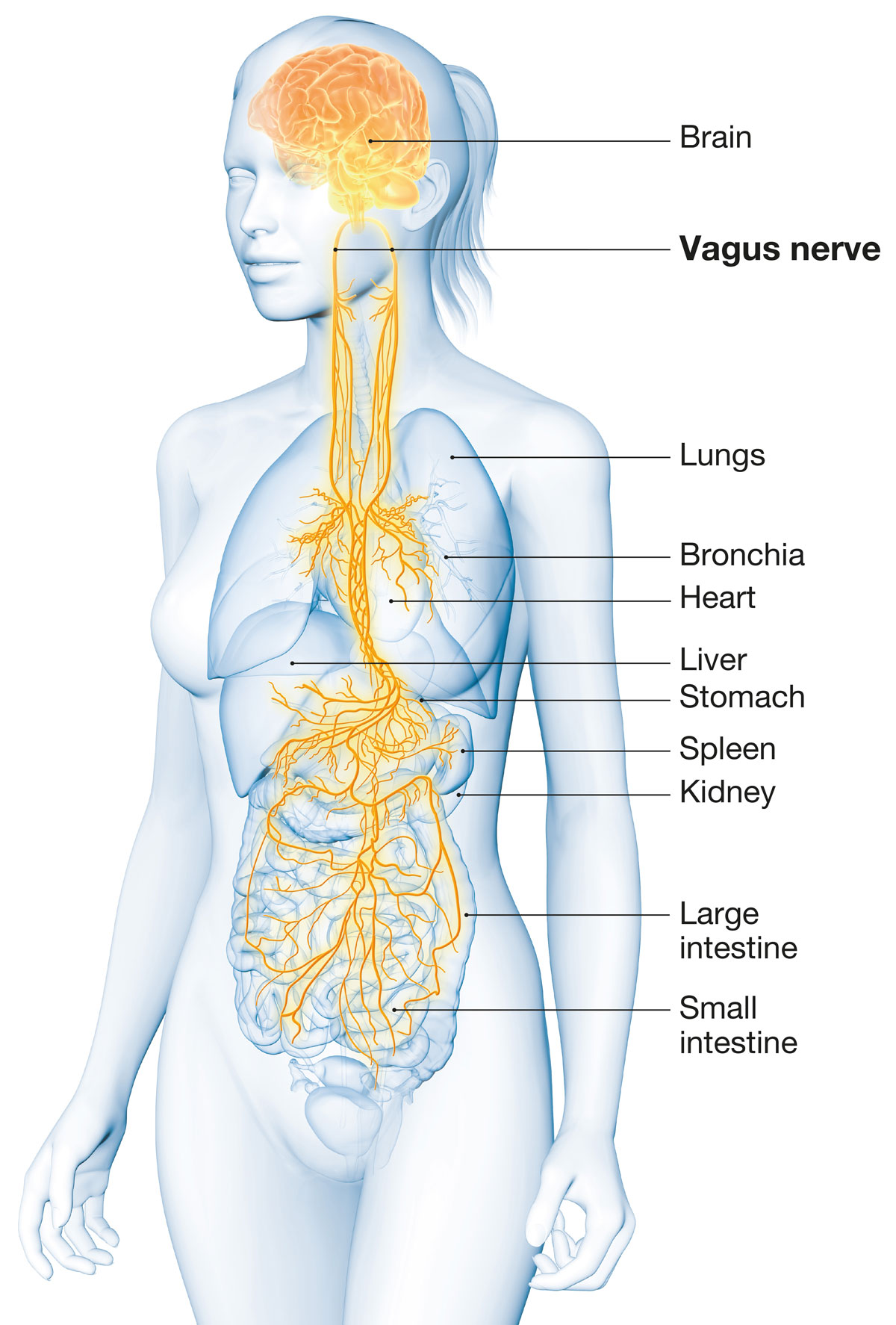
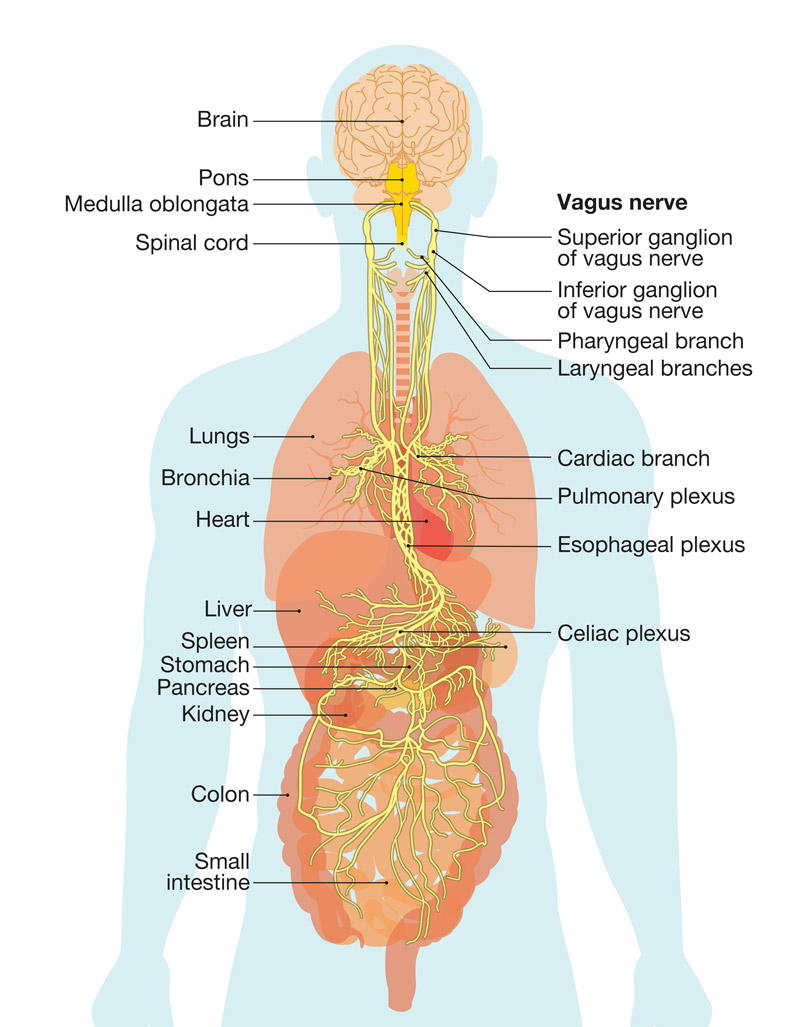
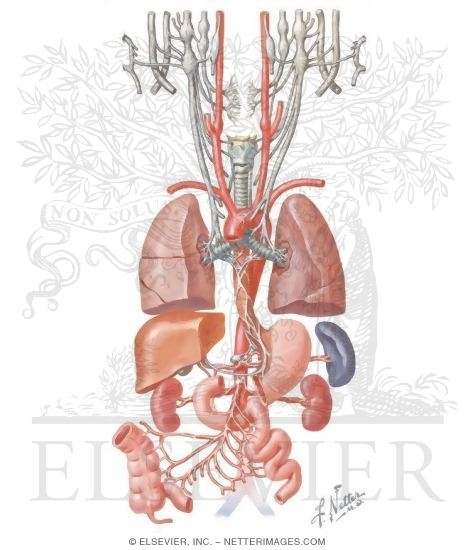
Known as the tenth (CN X) among the twelve cranial nerves, the vagus nerve originates from the medulla oblongata, the lowest part of the brainstem and travels its way down through the neck, chest, abdomen to the pelvic region. Considered the most complex of the cranial nerves and comprising 75% of the Parasympathetic division of the Autonomic Nervous System (ANS).
Within the Parasympathetic Nervous System (PSNS), the vagus nerve controls the "rest and digest" response, working together in delicate balance with the Sympathetic Nervous System (SNS) responsible for the "fight-or-flight" reaction. This balance is vital for maintaining homeostasis, the body's automatic ability to maintain stability and balance its internal conditions.
Let’s take a drive along this Superhighway
Fasten your seatbelts, for this is no ordinary road trip; we are about to traverse the complex neural pathways that connect our mind, body and soul. As we set off on this awe-inspiring expedition, we'll unveil the secrets and wonders of the vagus nerve, a neural marvel that influences every facet of our existence and our connection to the world around us.
Before beginning this important journey, it's essential to comprehend the role that Acetylcholine (ACh) plays in the vagus nerve's signalling, as it serves as the foundation for understanding how this nerve communicates with the muscles and organs that it innervates.
Acetylcholine (ACh)
Acetylcholine (ACh) is a vital neurotransmitter in the central nervous system (CNS), responsible for transmitting signals. While both hemispheres of the CNS contain ACh, its usage varies within the sympathetic and parasympathetic branches. The sympathetic side uses ACh alongside norepinephrine and epinephrine, whereas the parasympathetic side relies exclusively on ACh for signalling. The vagus nerve, primarily within the parasympathetic system, exclusively utilises ACh to communicate with its affiliated organs.
ACh production requires acetyl coenzyme A (acetyl-CoA) from the body's energy factories and choline from the diet. Choline is absorbed into the bloodstream, then converted into ACh within the Vagus Nerve's nerve cells by the enzyme Choline Acetyltransferase (ChAT). Once synthesised, ACh is stored within nerve cells, ready for release to signal target nerve cells in associated organs. After fulfilling its role, ACh is swiftly broken down by acetylcholinesterase (AChE) into acetyl-CoA and choline, which is recycled for future ACh production, ensuring the continuous flow of vital neural messages.
The Brainstem (Medulla Oblongata)
The journey of the vagus nerve commences in the medulla oblongata, situated within the brainstem. The brainstem, a critical structure located at the base of the brain, serves as a crucial conduit for communication between the brain and the spinal cord, facilitating the reception and transmission of messages. Functioning as a central command center, it meticulously supervises essential functions essential for both survival and consciousness.
The Face
Departing from the medulla oblongata, the vagus nerve emerges as a pair of nerves, embarking on its journey from behind the face and extending into the neck. As we delve into the facial region, we unveil the functions of the vagus nerve in relation to the eyes, nose, ears and mouth.
Eyes
While other cranial nerves primarily control eye movements, the vagus nerve plays a subtle yet important role. It connects to the lacrimal glands, regulating tear production and blinking, ensuring proper eye lubrication and protection. Eye muscle control lies with the oculomotor nerve (CN III), but the vagus indirectly influences pupil constriction through its impact on the autonomic nervous system. Additionally, the vagus nerve plays a role in managing emotions, stress reactions and facial expressions during social engagement. When we cry emotionally, the Vagus nerve may collaborate with tear-producing nerves, responding to brain activity.
Nose
The vagus nerve oversees the nasal glands responsible for vital mucus production, ensuring moisture and protection of your air passages. This remarkable mucus traps irritants, preserving your sense of smell. Extending its reach to the paranasal sinuses, the vagus nerve subtly manages blood flow and mucus production to maintain a harmonious balance. It also skillfully regulates dilation and constriction, indirectly influencing nasal blood flow.
Ears (Auricular branch)
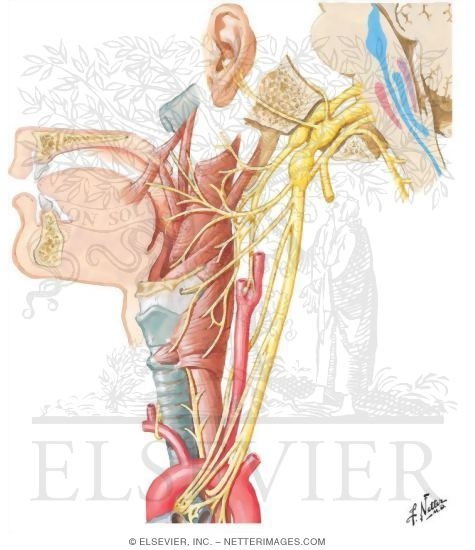
The Auricular branch of the vagus nerve, often called Arnold's Nerve and located behind the ear, contains general afferent fibers that serve as a sensory pathway to the skin, ear canal, tragus and part of the auricle. This sensory network transmits information related to touch, pressure, temperature, vibration and pain sensations. The auricular branch is also a key component in vagus nerve stimulation (taVNS), a non-invasive technique with numerous advantages for addressing vagus nerve dysfunction. Notably, this part of the vagus nerve offers accessibility without the need for invasive surgeries, ensuring enhanced safety for patients while providing therapeutic benefits.
The Mouth
The vagus nerve plays a vital role in our ability to savour delicious flavours. It acts as a connecting pathway, using specialised visceral afferent fibers to transmit signals between taste buds and various parts of the mouth, including the Epiglottis, the flap of cartilage that prevents food from entering the larynx. This communication allows us to fully appreciate sweet, salty, sour, bitter and umami tastes. The vagus nerve also stimulates muscles in the soft palate, like the palatoglossus, which aids in initiating the swallowing reflex by elevating the back of the tongue. Similarly, the pharyngeal branch signals salivary glands to produce saliva, which is essential for food digestion by breaking down carbohydrates and facilitating swallowing.
The Neck
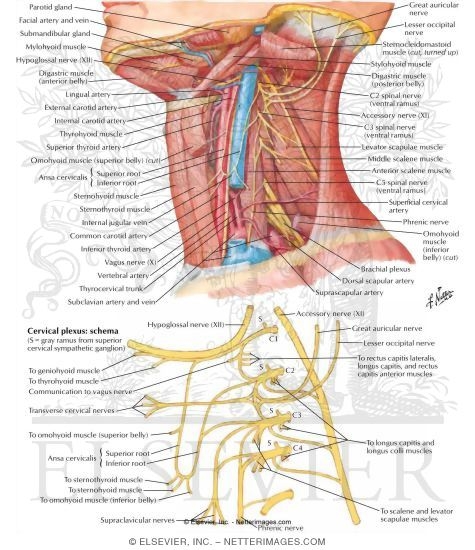
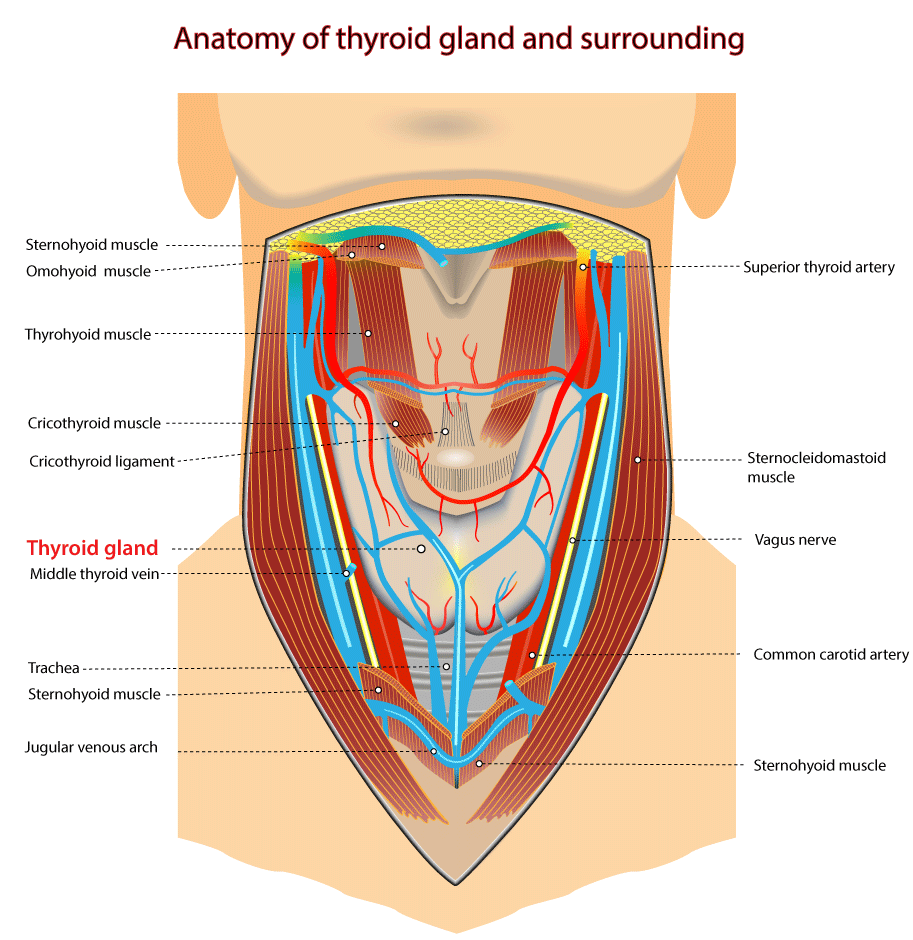
As the vagus nerve travels down from behind the face, it enters the significant territory of the neck, where it plays a central role in various vital functions. This region is essential for the vagus nerve's control over processes affecting the esophagus, gag reflex, pharynx, and larynx.
The Esophagus (Esophageal Branch)
The vagus nerve is a major player in the complex process of swallowing, coordinating muscles and nerves for food's smooth journey from the mouth to the stomach. It detects food or liquid entering the oral cavity, transmitting sensory information to the brainstem, which then instructs the esophagus through the vagus nerve to initiate the swallowing reflex, ensuring the safe passage of the food bolus.
Located at the upper esophagus, an essential guardian stands - the upper esophageal sphincter (UES), notably the cricopharyngeal muscle within it. The vagus nerve powers these muscles, allowing them to relax during swallowing, ensuring the smooth passage of food and liquids into the esophagus while safeguarding against aspiration in the respiratory tract. When not engaged, the cricopharyngeus muscle remains, preventing air from entering the esophagus.
Food travels through the esophagus propelled by peristalsis, a rhythmic muscular process directed by the vagus nerve. This precise coordination of contractions ensures efficient downward movement, guiding food toward its ultimate destination, the stomach. At the lower end of the esophagus, we encounter the lower esophageal sphincter (LES), a muscular barrier that protects against stomach acid and contents flowing back into the esophagus, preventing heartburn and GERD. Furthermore, it also facilitates the relaxation of the lower esophageal sphincter (LES), enabling the passage of food into the stomach.
The Gag Reflex
Beyond the role of swallowing, the vagas nerve regulates the life-saving "vagal reflex" or gag reflex. This involuntary mechanism safeguards the airway by swiftly triggering coughing or gagging in response to irritants detected by sensory fibers of the vagus nerve. It begins with the sensory fibers of the glossopharyngeal (CN IX) detect irritants in the pharyngeal walls, the tonsillar pillars, or the base of the tongue and sending signals to the brainstem's nucleus tractus solitarius (NTS). The vagus nerve (CN X) then coordinates muscle contractions in the throat, soft palate elevation and vocal cord closure, working together to expel the irritant and protect the airway. Once the threat is removed, the reflex subsides and normal throat function is restored.
The Pharynx (Pharyngeal Branch)
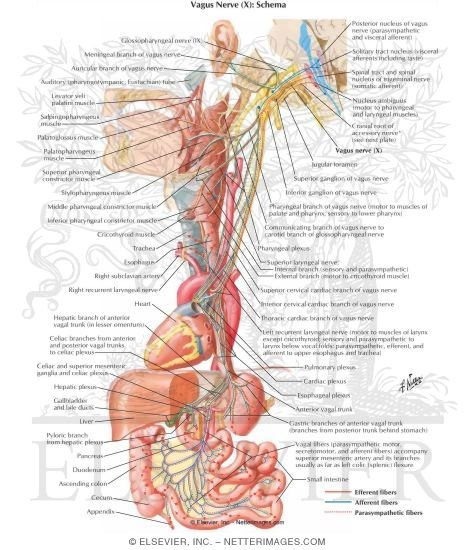
Your pharynx, a versatile muscular structure, plays a pivotal role in both your respiratory and digestive processes. It adeptly manages the flow of air to your larynx for breathing while guiding food into your esophagus for digestion. The vagus nerve influences the pharynx through its specialised branch, the pharyngeal nerve and plexus, controlling various pharyngeal functions. One of its vital roles is providing motor and sensory information to the soft palate and pharynx, which, in turn, innervate the superior, middle and inferior pharyngeal constrictor muscles. These muscles work in harmony to constrict the walls of the pharynx during the act of swallowing, effectively propelling food downward into the esophagus for further digestion.
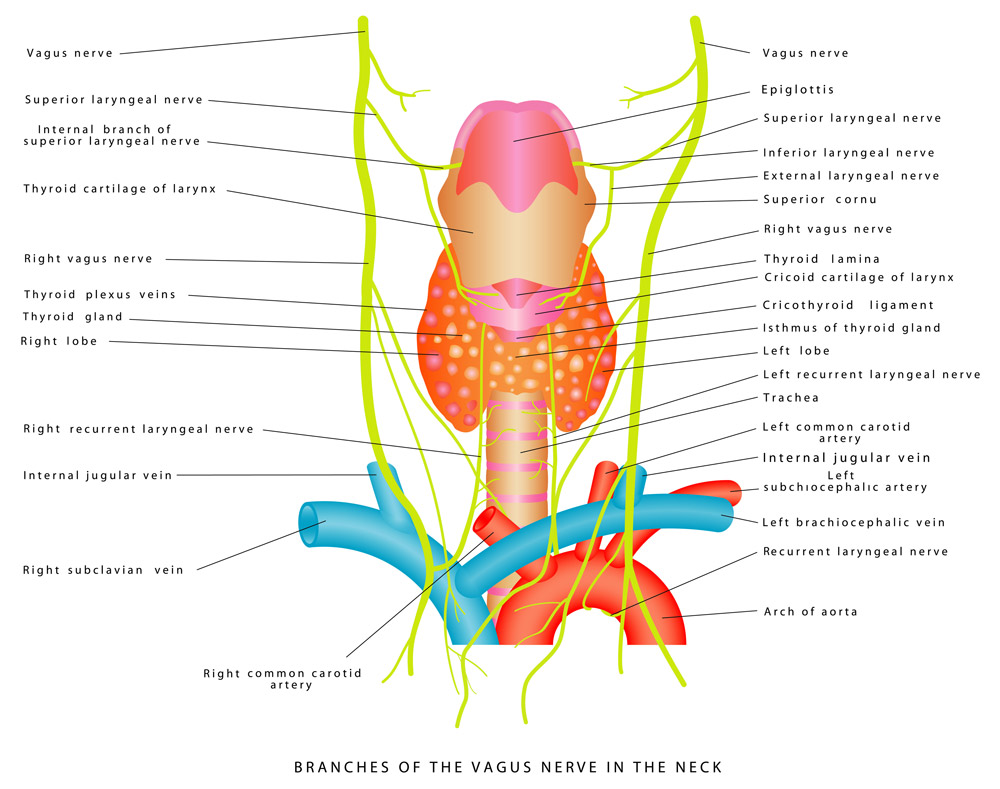
The Larynx (Superior/Recurrent Laryngeal Nerve Branch)
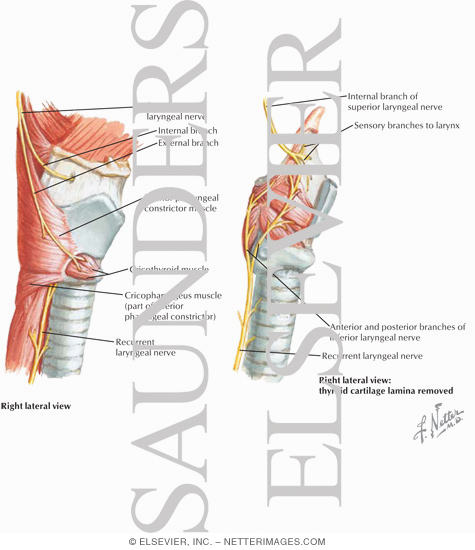
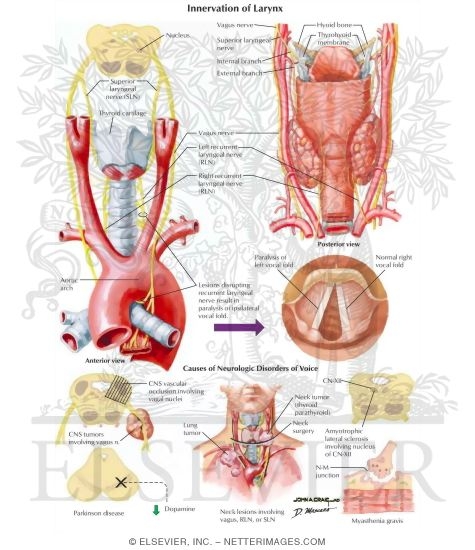
Just below the Pharynx is the Larynx which controls vocal cord movements in regulating speech production. Sensory fibers within the Vagus Nerve provide a vital link, supplying the mucous membrane lining of the larynx with sensory information. This enables our brain to perceive feedback about vocal cord tension, airway positioning and the quality of sound produced during speech. The motor fibres of the Vagus Nerve serve as the maestro, innervating the muscles of the larynx, including the cricothyroid and intrinsic laryngeal muscles. Through its orchestration, the vagus nerve harmoniously adjusts the tension of the vocal cords, allowing us to modulate our pitch and tone while speaking or singing. The Vagus Nerve's artistic influence over the larynx is a breathtaking symphony of control and coordination, empowering us to express our thoughts, emotions and creativity through the wondrous gift of speech.
The Chest
Upon leaving the neck the vagus nerve departs into many intriguing crossroads, branching off into a multitude of directions like a complex network of roads. In this bustling region, the vagus nerve commands the spotlight, unveiling its extraordinary talent for guiding communication traffic and flawlessly orchestrating diverse functions, resembling a symphony of traffic signals working in perfect unison and firing simultaneously. After entering the diaphragm, the vagus nerve passes through two regions within the thorax, namely the superior mediastinum and posterior mediastinum. As it travels through the thoracic cavity, the vagus nerve gives off branches that provide innervation to important structures, including the heart and lungs. The left laryngeal nerve hooks under the arch of the aorta and ascends to larynx. The cardiac branches of the vagus nerve play a significant role in cardiac innervation. Let's drive further into the intricate connection between the heart, lungs and the vagus nerve.
The Heart (Cardiac Branch)
One of the most significant impacts the Vagus Nerve has on the body lies in it’s role influencing the heart. Specifically, when it comes to the heart, the vagus nerve talks to different parts, like the upper chambers (atria), the heart's natural pacemaker (sinoatrial node) and the area that helps with the heartbeat rhythm (atrioventricular node). It can slow down the heart, change how it beats and even influence the chance of having certain heart problems like irregular heartbeats or blood pressure. By releasing acetylcholine, a neurotransmitter that slows the heart rate, the Vagus Nerve ensures a steady and controlled heartbeat. Similar to how a conductor adjusts the volume of an orchestra, the Vagus Nerve modulates cardiac output—the amount of blood the heart pumps per minute. When activated, the Vagus Nerve decreases cardiac output, promoting efficient blood circulation and conserving energy during restful states. Just as a conductor maintains balance and coherence in a musical performance, the Vagus Nerve helps regulate blood pressure. By influencing heart rate and cardiac output, the Vagus Nerve contributes to maintaining blood pressure within a healthy range.
The Lungs (Pulmonary & Bronchial Branch )
The connection between the lungs and the vagus nerve can be likened to the acceleration pedal in a car. The vagus nerve plays a vital role in regulating respiratory rate, much like how pressing the pedal controls the gas flow to the engine. By influencing the respiratory centers in the brainstem, the vagus nerve adjusts the pace and depth of breathing to ensure a steady flow of oxygen. Stimulation of the vagus nerve's parasympathetic fibers leads to bronchoconstriction, which is the narrowing of the airways in the lungs. This is primarily mediated by the release of acetylcholine, a neurotransmitter, at nerve terminals in the lungs. Acetylcholine binds to receptors on smooth muscle cells surrounding the bronchioles, causing them to contract. This reduces the diameter of the airways, making it more difficult for air to flow in and out of the lungs. The vagus nerve also influences mucus production in the respiratory tract. Parasympathetic stimulation can increase the secretion of mucus by goblet cells and other mucous glands in the airways. This mucus helps trap foreign particles and pathogens and facilitates their removal from the respiratory system. Moreover, the vagus nerve possesses anti-inflammatory properties, calming the lungs' inflammatory response and supporting lung health.
The Abdomen
Continuing its descent, the vagus nerve enters the abdominal cavity, where it interacts with a myriad of organs, including the stomach, liver, pancreas, kidneys and intestines. This remarkable nerve establishes an intricate web of communication, coordinating essential processes such as digestion, nutrient absorption, gut motility and much more. Let's explore what we know about the vagus nerve's incredible impact within this intricate domain of the body.
The Stomach and Digestion (Gastric Branch)
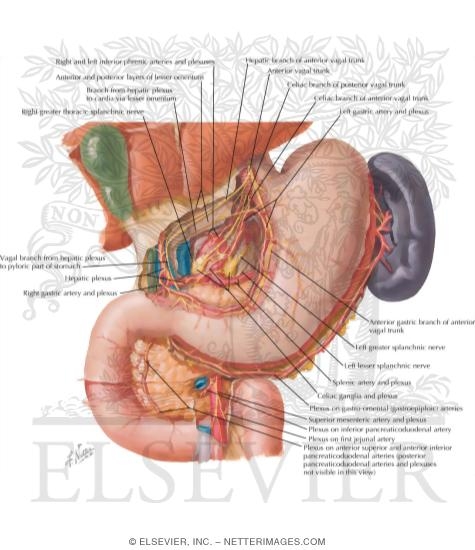
Leaving the chest area the vagus nerve branches into a network of nerve fibers lodged throughout the stomach walls, forming what is known as the vagal plexus or Enteric Nervous System (ENS). Affectionately called the ‘Second Brain’, the ENS can operate independently of the brain, making it the only organ in the body which can function autonomously. The vagus nerve assumes the role of a messenger, delivering essential signals and instructions to and from the brain to the stomach. This forms the foundation of the brain-gut axis, a two-way communication pathway from the gut to the brain and vice versa, that exerts influence over our physiological functions and emotional well-being. This bi-lateral communication plays a crucial part in regulating your appetite. It communicates signals of hunger and satiety to the brain, helping us know when to eat and when we've had enough. Dysfunction in this pathway can lead to overeating or undereating, potentially contributing to weight-related issues. This connection and chatter also plays a vital role in kickstarting your digestion. When we smell or taste food, the vagus nerve signals the brain to release acetylcholine, a neurotransmitter that stimulates the production of saliva and gastric juices in the stomach. This prepares the digestive system to break down food efficiently. As food enters the stomach, this remarkable nerve again takes charge, influencing the contractions of the stomach muscles which ensures efficient mixing and grinding of the food, breaking it down into smaller particles for further digestion. Following the breakdown of food into small particles, the vagus nerve also plays a role in regulating the release of gastric acid by coordinating the secretion of digestive enzymes, bile and other essential substances for nutrient absorption. Once your food leaves your stomach, the vagus nerve steps in again and communicates with the muscles of the stomach and pyloric sphincter to control gastric emptying, ensuring that the intestines receive properly digested food for absorption.
The Pancreas (Celiac Branch)
If we take a detour from the stomach we can now find ourselves at the pancreas - a crucial organ responsible for producing vital hormones and digestive enzymes. One of the key roles performed by the vagus nerve is in regulating the secretion of insulin and glucagon, two essential pancreatic hormones. Insulin facilitates the uptake of glucose by cells for energy or storage, thereby lowering blood sugar levels. Conversely, glucagon prompts the liver to release stored glucose into the bloodstream, raising blood sugar levels. The vagus nerve expertly balances these hormones, ensuring stable blood sugar levels and supporting overall metabolic function. Additionally, the vagus nerve influences the secretion of pancreatic enzymes, which aid in breaking down carbohydrates, proteins and fats during digestion. Timely release of these enzymes ensures efficient nutrient absorption and digestion. Additionally, the vagus nerve takes charge of regulating blood flow to the pancreas, guaranteeing a sufficient supply of oxygen and nutrients for proper function.
The Spleen (Celiac Branch)
One of the most remarkable impacts of the vagus nerve on the spleen lies in immune regulation. Through intricate communication pathways, the vagus nerve can influence immune responses and help maintain immune system balance. Similar to its impact on other organs, the vagus nerve boasts anti-inflammatory properties that extend to the spleen. It is hypothesised that by releasing anti-inflammatory neurotransmitters, it can help mitigate inflammation in the spleen, supporting overall immune health.
The Liver and Gallbladder (Hepatic Branch)
The liver is connected to several nerves, but the vagus nerve is a key player in controlling its functions. As mentioned earlier, the vagus nerve indirectly affects the liver by influencing the pancreas hormones responsible for regulating blood sugar levels. Specifically, the hormone glucagon produced by the pancreas prompts the liver to release stored glucose into the bloodstream, which raises blood sugar levels. Moreover, the liver produces bile, a vital substance that helps digest and absorb fats in the small intestine. The vagus nerve also plays a role in this process by signaling the liver to release bile from the Gallbladder, ensuring it is available when needed to assist in digestion. The Gallbladder Nestled just beneath the liver, serves as a reservoir for bile, a crucial digestive fluid produced by the liver. When we indulge in a meal, especially one rich in fats, the vagus nerve steps in as part of the parasympathetic nervous system's response and sends a message to the gallbladder, giving it a nudge to squeeze and contract. This contraction results in the release of stored bile directly into the small intestine. The bile plays a pivotal role in the intricate process of breaking down and digesting the fats present in the food we've enjoyed. The vagus nerve is also thought to be involved in this regenerative process of the liver through its communication that helps regulate inflammation levels, contributing to a balanced immune reaction.
The Kidneys (Renal Branch)
As we make our way around the corner to the Kidneys, the check engine light comes on, bringing attention to the critical role the Vagus Nerve via it’s renal branch, in regulating blood pressure within this vital organ. One of the many roles the kidneys perform is in maintaining blood pressure by regulating the volume of blood in the body and the concentration of electrolytes like sodium and potassium. Although not fully understood, it hypothesised that when blood pressure rises, the vagus nerve sends signals to the kidneys, triggering a response that promotes the excretion of excess sodium and water through urine. This process helps lower blood pressure back to a healthy range. It is also thought to influence the blood flow to the kidneys. When the body is in the "rest and digest" mode, the vagus nerve signals blood vessels to dilate, enhancing blood flow to the kidneys. This increased blood flow ensures that the kidneys receive an adequate supply of oxygen and nutrients, supporting their proper function.
Intestines (Intestinal Branch)
Through its motor fibers, the vagus nerve influences the motility of the intestines, propelling food and waste through the digestive tract with rhythmic contractions called peristalsis. This ensures efficient digestion and nutrient absorption. The vagus nerve also affects the secretion of digestive enzymes and protective mucus in the intestines. Enzymes break down nutrients for absorption, while mucus shields the intestinal lining. Proper secretion supports smooth digestion. Ensuring sufficient oxygen and nutrients, the vagus nerve helps regulate blood flow in the intestines. This is essential for maintaining the health and function of the intestinal tissues. The vagus nerve’s ability to calm down inflammation influences our intestinal permeability and our body’s ability to maintain a balanced and diverse gut microbiome - the community of microorganisms in the intestines. A healthy microbiome is crucial for digestion, nutrient absorption and overall gut health.
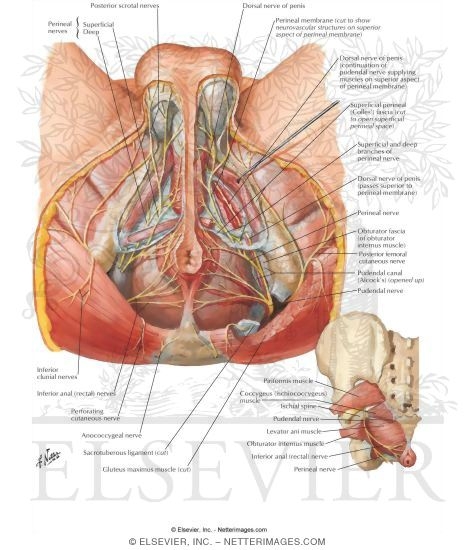
The Pelvis (Pelvic Splanchnic Nerves)
As we journey along the remarkable vagus nerve superhighway, our final stop leads us to the intricate pathways within the pelvis, where the vagus nerve continues to exert its profound influence. Within this captivating region, the vagus nerve assumes a commanding role, overseeing crucial functions such as the regulation of bladder and bowel control, the reproductive system and sexual function. Let's explore the extraordinary impact of the vagus nerve in this essential part of our body.
Bladder and Bowel Control
The vagus nerve contributes to the autonomic control of the bladder and bowel. When the bladder is full, the vagus nerve sends signals to the brain, informing it of the need for urination. In response, the brain coordinates the relaxation of the bladder's detrusor muscle and the contraction of the pelvic floor muscles to initiate urination. The vagus nerve helps coordinate the smooth muscle contractions necessary for complete bladder emptying. It ensures that urine is efficiently expelled from the bladder during the urination process. The vagus nerve is involved in conveying sensations from the bladder to the brain. It enables the perception of bladder fullness, pressure and the need to urinate. This communication pathway plays a pivotal role in maintaining bladder control and urinary continence or incontinence. The vagus nerve also can influence an inflammatory response in the bladder. In cases of bladder inflammation or infections, the vagus nerve may modulate the body's immune response, aiding in the resolution of inflammation.
The Reproductive System
The vagus nerve, although not directly responsible for hormone release, exerts a significant influence on both female and male reproductive systems through its role in regulating various physiological processes. It plays a role in preserving reproductive health by managing blood flow to reproductive organs, ensuring the delivery of essential oxygen and nutrients. Furthermore, the vagus nerve's response to stress can disrupt hormonal balance, potentially affecting menstrual cycles in women and hormone levels in men. Additionally, its participation in the gut-brain axis and the modulation of inflammation can indirectly impact reproductive health.
Sexual Function
Sexual arousal and function in both men and women are regulated by a complex interplay of many factors, including psychological, emotional, hormonal and physical responses that involve both the somatic nervous system and the autonomic nervous system, the latter of which the vagus nerve plays a small role as part of the parasympathetic division.
Much like Cupid, your vagus nerve sets the stage for feelings of affection and desire, indirectly influencing sexual arousal in several ways. The vagus nerve promotes a state of relaxation in harmonious balance against stress, creating the right environment for sexual arousal. Through its effects on mood, breathing, heart rate, it enhances our ability to relax, experience a sense of well-being, remain socially receptive and feelings of being safe the vagus nerve contributes to creating an environment for intimacy.
When we're suffering from stress, either chronic or acute, our body's sympathetic nervous system is triggered, which can have a major impact on our sexual function. When the body is sympathetic dominant, experiencing high levels of stress, sexual function may be affected by decreased arousal, difficulty reaching orgasm, erectile dysfunction, muscle tension, reduced libido, relationship issues, and vaginal dryness.
While it's busy setting the mood for sexual arousal, it is also physically charging your genital area by signalling the blood vessels to relax and widen, referred to as vasodilation. This allows more blood to flow to the genital areas. This increased blood flow is essential for achieving and maintaining an erection in men and engorgement of sexual organs in women. Much like Cupid's arrows of love, the sensory pathway of the vagus nerve also contributes to our perception of sexual stimulation. It acts as a messenger, conveying sensations of touch, pressure and temperature from intimate regions to the brain for interpretation and response.
The Colon
This remarkable nerve impacts various aspects of colon regulation, including motility, secretion, blood flow and sensory feedback. Motility-wise, the vagus nerve wields the power to either stimulate or inhibit the contractions and movements of the colon, a critical function for ensuring efficient digestion and the transit of stool through this vital organ. When activated, it can bolster peristalsis, the rhythmic muscle contractions in the intestine, propelling food and waste along the colon's path. Additionally, the vagus nerve serves as a regulator of secretion, orchestrating the release of essential digestive juices and enzymes within the colon, thereby aiding in the breakdown and absorption of nutrients. Furthermore, it has the ability to influence blood flow to the colon, ensuring that the digestive organs receive a sufficient supply of oxygen and nutrients. Moreover, the vagus nerve operates as an information highway, transmitting sensory feedback from the colon back to the brain. This invaluable feedback loop empowers the brain to constantly monitor the state of the colon and make necessary adjustments for optimal digestive well-being.
The Rectum
The vagus nerve contributes to rectal function through several mechanisms. It promotes relaxation of rectal muscles, allowing the rectum to expand as stool is stored; it aids in signaling muscle relaxation and stretching when the rectum becomes full. Additionally, during the defecation reflex, the vagus nerve assists in triggering actions like relaxing the internal anal sphincter and contracting rectal muscles to move stool towards the anus. Furthermore, the vagus nerve serves as a pathway for sensory feedback from the rectum to the brain, conveying information about fullness, pressure and sensations. This feedback helps the brain determine the rectum's condition and make decisions about initiating bowel movements accordingly.
The Skin
The vagus nerve's anti-inflammatory properties extend to the skin, aiding in reducing inflammation and promoting healing in case of injuries or irritations. It also plays a role in regulating blood flow to the skin, contributing to temperature regulation to keep our skin warm or cool as needed. While not the primary source of skin sensations, the vagus nerve's sensory pathways may subtly influence our perception of touch and other skin sensations.