Conditions linked to
Vagus Nerve Damage
or Dysfunction
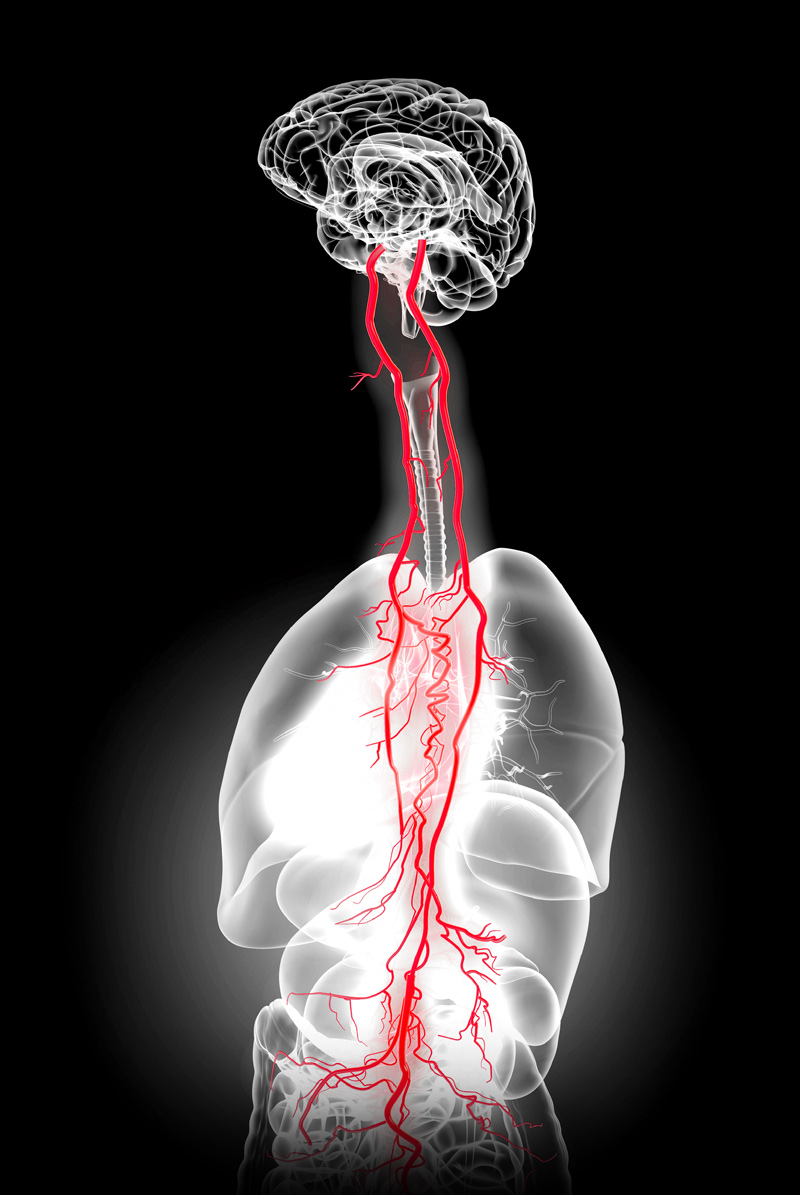
Conditions linked to
Vagus Nerve Damage
or Dysfunction
OVERVIEW
As Vast as its Reach:
The Wide Spectrum of Conditions Linked to Vagus Nerve Damage or Dysfunction
Vagus Nerve Damage or Dysfunction can be linked to a broad spectrum of conditions, ranging from the sluggish gastric rhythms observed in gastroparesis to the distinctive erratic heartbeat patterns defining atrial fibrillation. There is interlinks connecting impaired vagus nerve performance with psychological conditions like anxiety and depression, as well as the tumultuous expressions evident in inflammatory bowel disease and migraines. It's important to note that the vagus nerve is complex and its effects on various bodily functions are still being studied. Additionally, while vagus nerve dysfunction might play a vital role or indirectly affect these conditions, it is important to observe that are also often influenced by multiple factors, including genetics, lifestyle and environmental factors. If you suspect you have vagus nerve dysfunction or any related condition, it's crucial to consult a medical professional for proper evaluation and management.
Gastroparesis
The vagus nerve is responsible for movement of food through the digestive system. Gastroparesis, characterised by delayed stomach emptying leading to symptoms like nausea and abdominal discomfort, can be linked to vagus nerve dysfunction. The vagus nerve normally sends signals from the brain to stimulate stomach muscle contractions, aiding digestion by moving food along. When this nerve doesn't function correctly, it can result in weakened stomach contractions and delayed emptying, causing gastroparesis symptoms. Diabetes, particularly type 1 diabetes, is a common contributor due to the potential damage to the vagus nerve over time. Idiopathic gastroparesis, of unknown origin, is also observed, possibly involving nerve dysfunction. Viral infections, neurological disorders like Parkinson's and multiple sclerosis, specific medications, abdominal surgeries, eating disorders, hormonal changes (such as during pregnancy), and autoimmune diseases like scleroderma can all lead to gastroparesis. Understanding the underlying cause is crucial for effective diagnosis and treatment.Treatment options range from dietary adjustments and medications to more advanced procedures, often requiring medical evaluation for proper diagnosis and management.
Dysphagia
Dysphagia, a condition characterised by difficulty or discomfort in swallowing, can have various underlying causes, with the vagus nerve playing a significant role in some cases. The vagus nerve is a crucial component of the swallowing process, influencing it through several mechanisms. One key function of the vagus nerve is to control the muscles involved in swallowing. These muscles are responsible for moving chewed food and liquids from the mouth to the stomach. Damage or dysfunction in the vagus nerve or its branches can result in weakened or poorly coordinated muscle movements, making it challenging to propel food and liquids down the esophagus, ultimately causing dysphagia. The vagus nerve also contains sensory fibers that provide vital feedback to the brain during swallowing. This feedback helps coordinate the swallowing reflex and ensures that food and liquids travel down the correct pathway. When the sensory branches of the vagus nerve are damaged or irritated, this feedback loop can be disrupted, leading to issues with the swallowing process. Furthermore, the vagus nerve plays a role in coordinating the various phases of swallowing, including chewing and forming a bolus (oral phase), moving the bolus to the back of the throat (pharyngeal phase) and propelling it into the stomach (esophageal phase). Dysphagia can manifest when there are disruptions in the coordination of these phases due to vagus nerve-related issues. Neurological conditions like strokes, brain tumors, or neurodegenerative diseases can affect the nerve pathways responsible for swallowing, potentially leading to dysphagia. Additionally, mechanical compression or damage to the vagus nerve by tumors or structures in the neck and throat can impede its function, resulting in dysphagia as a consequence. If you experience discomfort while eating or drinking, it's important to be aware of several common signs that might indicate dysphagia. These can include episodes of gagging or choking during meals, the sensation of food or beverages getting stuck in your throat or going down the "wrong way," an unusually extended mealtime that exceeds 30 minutes, the urge to cough or clear your throat while eating or drinking, feeling short of breath during meals, consciously avoiding certain foods due to difficulties in swallowing and experiencing recurrent chest infections without an apparent cause. These symptoms may be indicative of a swallowing disorder and seeking medical attention is advisable to address and manage the underlying issue effectively.
Dysphonia
Dysphonia is a condition marked by alterations in voice quality, including hoarseness, difficulty in vocalising and irregular pitch. The vagus nerve plays a significant role in dysphonia due to its connection with the laryngeal muscles and the vocal cords. This involvement occurs in several ways. Firstly, the vagus nerve provides innervation to the laryngeal muscles, especially the intrinsic ones that manage vocal cord tension and movement. Damage or dysfunction in the vagus nerve can result in weakened or imprecise control of these vital laryngeal muscles, leading to voice changes and dysphonia. Additionally, the vagus nerve regulates vocal cord tension by controlling the muscles in the larynx responsible for maintaining proper vocal cord tension, essential for articulating speech. Disruption of this regulation due to vagus nerve issues can manifest as voice strain, hoarseness, or pitch irregularities. Moreover, the vagus nerve directs protective reflexes during swallowing and speaking by transmitting sensory information from the larynx and pharynx to the brain, facilitating coordination. Damage to the vagus nerve can interfere with these protective reflexes, potentially resulting in choking or aspiration, both of which can contribute to dysphonia. If you experience persistent dysphonia, it is advisable to seek medical evaluation to identify the underlying cause, which may involve vagus nerve-related concerns and explore appropriate treatment options.
Vallecular Pooling
Vallecular pooling, also referred to as vallecular residue, is a condition characterised by the retention of food or liquid within the vallecula, a small recess situated in the upper throat, just behind the base of the tongue. This condition can result in swallowing difficulties and heighten the potential for aspiration, where food or liquid enters the airway. The vagus nerve coordinates the swallowing reflex via sensory receptors in the oral and pharyngeal regions and relays these signals to the brain, prompting precise motor responses to ensure safe and efficient swallowing. If the vagus nerve encounters damage or dysfunction, it can disrupt this reflex, potentially causing incomplete airway closure during swallowing and ineffective movement of substances through the throat. Consequently, vallecular pooling can manifest when the swallowing reflex is compromised, leading to the accumulation of residue within the vallecula after swallowing. This condition also heightens the risk of aspiration, as trapped material in the vallecula may inadvertently enter the airway, posing potential respiratory complications or infections. If you suspect vallecular pooling, it's crucial to seek professional evaluation and guidance to address underlying causes and explore appropriate treatment options.Esophageal Dysmotility
Esophageal Dysmotility, also known as esophageal motility disorder, encompasses a group of conditions that affect the smooth muscle contractions in the esophagus, the tube responsible for transporting food to the stomach. The vagus nerve plays a crucial role in esophageal function and can be implicated in Esophageal Dysmotility. The vagus nerve’s sensory and motor functions in the esophagus, ensures smooth and synchronised contractions that facilitate efficient food passage while also offering feedback on muscle activity and content to maintain precise swallowing coordination. Esophageal Dysmotility can encompass a range of specific conditions, including achalasia, diffuse esophageal spasm, nutcracker esophagus, scleroderma esophagus and jackhammer esophagus, each with its own distinct patterns of muscle dysfunction and associated symptoms. In disorders such as achalasia, a malfunction of the vagus nerve is believed to hinder the relaxation of the lower esophageal sphincter during swallowing, resulting in food retention in the esophagus and symptoms like difficulty swallowing and chest pain. Similarly, diffuse esophageal spasm involves irregular esophageal muscle contractions, potentially linked to vagus nerve signalling disruption, leading to uncoordinated muscle activity during swallowing. Specialised tests, such as esophageal manometry and electrogastrography, may be used to assess vagus nerve function in diagnosis and treatment.Cricopharyngeal Dysfunction
Cricopharyngeal dysfunction, also known as cricopharyngeal achalasia or dysfunction of the cricopharyngeal muscle, involves problems with the normal relaxation and contraction of the cricopharyngeal muscle, which is a muscular ring located at the upper end of the esophagus and the beginning of the throat. This muscle plays a crucial role in the swallowing process, as it needs to relax to allow food and liquids to pass from the throat into the esophagus and then contract again to prevent air from entering the esophagus and stomach during breathing. When the cricopharyngeal muscle does not function properly, it can result in difficulty swallowing, a sensation of food getting stuck in the throat, and sometimes regurgitation of food or liquid. It sends signals to both relax and contract this muscle at the appropriate times during swallowing and breathing. Dysfunction of the vagus nerve can disrupt this signalling process, leading to problems with the coordination of muscle movements in the throat.Bowel Movement Disorders or Fecal Impaction
While the vagus nerve itself doesn't directly cause bowel movement disorders or fecal impaction, it plays a significant role in regulating digestive functions, and dysfunction in this nerve can indirectly contribute to these issues. Dysfunction of the vagus nerve can disrupt normal digestive processes, potentially leading to problems with bowel movements. It can affect gut motility, resulting in either rapid, uncoordinated contractions (diarrhea) or sluggish, delayed contractions (constipation). Additionally, the vagus nerve is involved in transmitting sensory signals from the digestive organs to the brain, so issues with this sensory feedback loop can affect the perception of fullness or the urge to have a bowel movement, leading to irregular bowel habits. Dysregulation of parasympathetic activity, of which the vagus nerve is a part, can disrupt the balance necessary for normal digestion. Furthermore, reduced rectal sensation, caused by vagus nerve dysfunction, can delay the recognition of the need to have a bowel movement, potentially leading to the accumulation of stool and fecal impaction. It's essential to consult with a healthcare professional to diagnose and address these issues effectively.Atrial Fibrillation
Atrial fibrillation (AFib) is rapid and irregular heartbeats originating in the heart's upper chambers and is primarily linked to the heart's electrical system. However, the vagus nerve, a crucial component of the autonomic nervous system, can contribute to the onset or intensification of AFib episodes. Through its innervation of the heart, the vagus nerve regulates heart rate and rhythm by maintaining a balance between sympathetic and parasympathetic branches of the autonomic nervous system. Yet, vagus nerve dysfunction or excessive activity can disrupt this equilibrium, leading to heightened parasympathetic influence on the heart. When the vagus nerve's parasympathetic activity becomes dominant, it can slow the heart rate and provoke electrical instability in the atria, culminating in atrial fibrillation. This arrhythmia, characterised by quivering atria instead of regular contractions, can be prompted by vagus nerve overstimulation triggered by factors like stress, certain medications, or underlying medical conditions, fostering an environment conducive to atrial fibrillation.
Bradycardia
Bradycardia, a condition characterised by an unusually slow heart rate, unveils a vital connection to the intricate network of the vagus nerve. This nerve, a key component of the autonomic nervous system, exerts control over heart rate and rhythm. When the vagus nerve functions abnormally it can result in bradycardia. The vagus nerve's role in slowing down the heart rate becomes particularly pronounced when it overly activates, leading to an imbalance between the sympathetic and parasympathetic nervous systems. This delicate equilibrium disruption can cause the heart to beat too slowly, resulting in bradycardia.
Syncope (Fainting)
Syncope, commonly referred to as fainting, can be impacted by the vagus nerve's role in regulating blood pressure and heart rate. An overstimulated or malfunctioning vagus nerve can lead to a sudden drop in heart rate and blood pressure, causing inadequate blood flow to the brain and resulting in temporary loss of consciousness. As a component of the autonomic nervous system governing involuntary functions, the vagus nerve possesses a parasympathetic branch responsible for slowing heart rate and inducing relaxation. When this branch becomes overly dominant, it can cause bradycardia (slow heart rate) and vasodilation (widening of blood vessels), ultimately lowering blood pressure. Instances like emotional stress, pain, or encountering blood can trigger excessive stimulation of the vagus nerve, leading to a swift decline in heart rate and blood pressure. Consequently, blood flow to the brain decreases, causing sensations of dizziness, lightheadedness and ultimately, syncope. Frequently termed vasovagal syncope, vagus nerve-related fainting can be provoked by various factors, including rapid changes in posture (orthostatic hypotension), crowded or warm environments, or intense emotions.
Over or Under active Vagus Nerve
An overactive or underactive vagus nerve can lead to a wide range of different effects on your body. An overactive vagus nerve induces parasympathetic dominance, which activates your 'rest and digest' response. Dominance of the 'rest and digest' state promotes relaxation, decreased heart rate and lower blood pressure and may result with symptoms of bradycardia, dizziness and fatigue. Gastrointestinal impacts may include excessive salivation and nausea. Conversely, an underactive vagus nerve promotes sympathetic dominance, which activates your 'fight or flight' response. This heightened state of arousal and stress response may lead to increased heart rate and blood pressure, potentially triggering anxiety. Digestive issues such as indigestion and constipation may occur, along with difficulties in emotional regulation and stress management.
Epilepsy
Epilepsy, a neurological disorder characterised by recurrent seizures stemming from abnormal brain electrical activity, can be influenced by the vagus nerve in select cases. The vagus nerve, a key component of the autonomic nervous system with broad connections throughout the body, including the brain, plays a role in certain treatment methods like vagus nerve stimulation (VNS). Dysfunction or anomalies in the vagus nerve can contribute to seizure generation in some individuals, given its connections to brain regions involved in seizure control. Additionally, the vagus nerve's role in regulating inflammation and immune responses may impact susceptibility to seizures. While vagus nerve involvement is just one facet of epilepsy's multifaceted origins, individuals with epilepsy should collaborate with healthcare professionals to design tailored treatment plans addressing their specific condition and needs..
Diabetes
The vagus nerve, a vital component of the autonomic nervous system, holds a significant role in diabetes and its management by impacting glucose regulation, insulin sensitivity, inflammation and gut-brain communication. This nerve maintains glucose balance by influencing the liver's glucose release and insulin secretion from the pancreas. Disrupted vagus nerve function can lead to irregular blood sugar levels. Moreover, it contributes to insulin sensitivity, where fluctuations in its activity can influence insulin resistance seen in type 2 diabetes. In addition to its role in metabolism, the vagus nerve also has a part in managing inflammation and immune responses through its connection to the cholinergic anti-inflammatory pathway. Proper vagus nerve function curbs excessive inflammation, while dysfunction is linked to chronic low-grade inflammation—a factor contributing to insulin resistance and type 2 diabetes development. The vagus nerve's involvement in the gut-brain axis is equally essential, impacting digestion, nutrient absorption and gut hormones that regulate appetite and metabolism. Understanding the intricate interplay between the vagus nerve and diabetes provides insights into potential therapeutic avenues for managing the condition and maintaining overall metabolic health.
Depression and Anxiety
The vagus nerve, a central component of the autonomic nervous system, holds a significant role in influencing mood regulation and mental well-being, specifically relating to conditions like depression and anxiety. Through its complex connections with the brain and various bodily systems, the vagus nerve exerts its impact through several mechanisms. It helps regulate crucial neurotransmitters such as serotonin and norepinephrine, whose balance is essential for managing mood. Disturbances in vagal activity can upset this balance, contributing to the emergence of depressive and anxious states. Moreover, the vagus nerve's involvement in the body's inflammatory responses is noteworthy; it serves to moderate inflammation and immune reactions. Proper vagal function suppresses excessive inflammation, a potential trigger for mood disorders. Conversely, vagus nerve dysfunction may lead to persistent inflammation, potentially exacerbating depressive and anxious symptoms. The vagus nerve's connection to the hypothalamic-pituitary-adrenal (HPA) axis, responsible for the stress response, further underscores its importance. An impaired vagus nerve can disrupt the HPA axis, heightening stress responses and raising the susceptibility to depression and anxiety. Additionally, the vagus nerve's influence on heart rate variability, indicative of adaptability to stress, is crucial for emotional well-being. A well-functioning vagus nerve is associated with higher heart rate variability, linked to lower levels of anxiety and depression. It also can diminish heart rate variability, increasing vulnerability to mood disorders. The vagus nerve also impacts the gut-brain axis, mediating communication between the gut and brain. If vagal dysfunction disrupts gut bacteria balance (dysbiosis), mood regulation through the gut-brain axis can be affected.
Bladder
The vagus nerve's involvement in regulating bodily functions extends to the urinary system. The vagus nerve, along with other systems, impacts bladder function through parasympathetic control, stimulating bladder emptying by engaging the detrusor muscle while relaxing the bladder neck and urethra. Dysfunction in vagus nerve and parasympathetic activity can lead to reduced detrusor muscle contraction, hindering bladder emptying and contributing to atonic bladder symptoms. Additionally, the vagus nerve's role in neurogenic bladder dysfunction varies; compromised signaling due to nerve damage or dysfunction can weaken detrusor muscle contractions and impair coordination between the bladder and sphincters, leading to an atonic bladder. It is important to note, however, that while the vagus nerve's significance is notable, other neural pathways and factors such as pelvic nerves, hormonal imbalances and underlying medical conditions can also contribute to the complexity of atonic bladder development.
Chronic Fatigue Syndrome
Chronic Fatigue Syndrome (CFS), also referred to as myalgic encephalomyelitis (ME), is characterised by persistent unexplained fatigue and various associated symptoms. Its underlying cause is complex and not fully understood, with potential involvement of the vagus nerve. While the precise mechanisms remain uncertain, certain connections between the vagus nerve and CFS have been proposed. The vagus nerve is a critical part of the autonomic nervous system (ANS), governing involuntary functions like heart rate and digestion. Dysregulation in the ANS, including vagus nerve activity, has been observed in individuals with CFS, possibly leading to abnormal stress responses, changes in heart rate variability and imbalances between the sympathetic and parasympathetic branches of the ANS. Additionally, CFS often entails elevated inflammation and immune system irregularities. Given the vagus nerve's anti-inflammatory effects and its role in regulating immune responses through the "inflammatory reflex," dysfunction in vagal activity could contribute to the chronic inflammation and immune system dysfunction associated with CFS. Furthermore, the gut-brain axis, involving communication between the gut and brain through the vagus nerve, appears to be implicated. Evidence suggests a link between gut microbiota, the vagus nerve, and conditions like CFS. Dysbiosis in gut bacteria could potentially affect vagal signaling, contributing to fatigue and gastrointestinal symptoms in those with CFS. A distinct feature of CFS is post-exertional malaise, where even minor exertion triggers exacerbated symptoms and prolonged fatigue. Vagus nerve dysregulation might amplify this heightened sensitivity to activity, resulting in abnormal physiological responses following exertion.
Rheumatoid Arthritis
The vagus nerve has raised interest due to its potential impact on the immune system and inflammation, notably in conditions like rheumatoid arthritis (RA). While the precise mechanisms remain under investigation, its potential connections to RA are multi-faceted. Firstly, the vagus nerve is linked to an "inflammatory reflex" which can initiate the release of anti-inflammatory substances like acetylcholine upon stimulation. This offers a potential avenue for controlling the immune response and curbing the inflammation central to RA. Secondly, the vagus nerve's ability to modulate immune cells and cytokine production is significant; it can hinder pro-inflammatory cytokines while promoting their anti-inflammatory counterparts. This modulation suggests that the vagus nerve could be instrumental in influencing autoimmune diseases, such as RA, by regulating immune cell behavior. Moreover, the bidirectional communication between the vagus nerve and the immune system has implications for maintaining immune balance and disruptions in this interaction may contribute to sustained inflammation in affected joints. Lastly, given the vagus nerve's connection to pain pathways, techniques like vagus nerve stimulation may potentially affect pain perception, which is relevant to the notable pain associated with RA. However, it's important to emphasise that the translation of vagus nerve findings to RA is still an ongoing scientific endeavor. Although therapeutic avenues like vagus nerve stimulation are being explored as potential supplementary treatments for autoimmune and inflammatory conditions, the intricate interplay between the vagus nerve, the immune system and conditions like RA necessitates further exploration. Comprehensive research is essential to grasp the nuances of these interactions and to determine the safety and efficacy of vagus nerve-focused interventions. Individuals grappling with RA or those intrigued by these potential therapies are advised to consult medical professionals for well-informed guidance.
Obesity
The vagus nerve is a key regulator of bodily functions, including digestion, metabolism and appetite, making it influential in the context of obesity. Its effects are intricate, involving both physiological and neurological mechanisms. The vagus nerve facilitates communication between the stomach and the brain's appetite-controlling center, known as the hypothalamus. Stomach stretch receptors activated by food send signals via the vagus nerve, indicating fullness. Dysfunction in these signals can lead to overeating and obesity. Additionally, the vagus nerve impacts metabolic processes, including insulin release from the pancreas, crucial for stable blood sugar levels. Disruption can contribute to insulin resistance and obesity. Moreover, the vagus nerve interacts with gut microbiota, influencing metabolism and energy balance, key aspects of obesity. It also plays a part in managing the immune response, potentially contributing to obesity-related inflammation. Stress and emotional eating are tied to the vagus nerve's role in the parasympathetic nervous system, which counters stress responses. Imbalance can lead to stress-driven overeating. The vagus nerve also influences ghrelin, a hunger-stimulating hormone. Its stimulation can raise ghrelin levels, potentially promoting overeating. The vagus nerve's impact on obesity is intricate, involving various processes such as overeating, metabolic disruption, inflammation and stress-induced eating. Nonetheless, it is also important to note that obesity results from a complex interplay of factors, including genetics, lifestyle and diet, beyond just vagus nerve involvement.
Autoimmune diseases
The vagus nerve holds a significant role in regulating the immune system and its impact on autoimmune diseases is a topic of active investigation. Autoimmune diseases occur when the immune system mistakenly attacks the body's own tissues. The vagus nerve's influence on these diseases hinges on its ability to modulate inflammation and immune responses. It contributes through the inflammatory reflex, where vagus nerve stimulation triggers the release of anti-inflammatory agents like acetylcholine that quell immune reactions, potentially curbing excessive immune activity and tissue harm. Moreover, the nerve's communication with immune cells affects cytokine production, promoting a balance between pro-inflammatory and anti-inflammatory cytokines that can be advantageous in autoimmune disorders characterised by heightened inflammation. The vagus nerve's role in regulating T-cells, pivotal immune components in autoimmunity and its part in the brain-immune axis further underscore its potential impact on autoimmune disease progression. The vagus nerve acts as a neural bridge connecting the nervous and immune systems and disruptions in this connection may contribute to immune imbalances observed in autoimmune conditions. By modulating vagus nerve activity, this balance could be restored, potentially reducing overactive immune responses. Furthermore, the vagus nerve's modulation of T-cell behavior and its involvement in the brain-immune axis highlights its intricate influence on autoimmune diseases. Through its capacity to regulate inflammation, cytokine production and immune cell activity, the vagus nerve emerges as a promising avenue for interventions targeting autoimmune diseases, offering the potential to mitigate immune system dysregulation and alleviate the impact of these conditions on the body's own tissues.
Blood Pressure
The vagus nerve plays a crucial role in regulating blood pressure through its influence on the autonomic nervous system, which controls involuntary bodily functions, including heart rate and blood vessel dilation/constriction. The vagus nerve is part of the parasympathetic branch of the autonomic nervous system, often referred to as the "rest and digest" system. The vagus nerve's impact on blood pressure can be understood through its interactions with the heart and blood vessels. The vagus nerve helps to slow down the heart rate by releasing acetylcholine, which has a calming effect on the heart's pacemaker cells (sinoatrial node). This results in a decrease in heart rate, which can lead to a decrease in blood pressure. The vagus nerve's stimulation essentially acts as a brake on the heart's activity, allowing the body to conserve energy and promote relaxation. The vagus nerve also influences blood vessel dilation and constriction. When the vagus nerve is activated, it can cause blood vessels to dilate (expand), leading to a reduction in peripheral resistance. This dilation allows blood to flow more easily, which can contribute to lower blood pressure.
Body Temperature
The vagus nerve indirectly contributes to the regulation of body temperature via its role in the autonomic nervous system. While the vagus nerve doesn't directly control body temperature like the hypothalamus, it contributes to temperature regulation in several ways. Firstly, as a key component of the parasympathetic nervous system, it promotes relaxation and energy conservation, which can subtly lower metabolic rates and reduce heat production during periods of rest. Secondly, during infections or illnesses, the vagus nerve can trigger a fever response, elevating body temperature as part of the body's immune defense mechanism. Lastly, the vagus nerve communicates with the thermoregulatory center in the hypothalamus, helping to maintain core temperature stability by relaying information about changes in peripheral blood temperature. While the primary regulator of body temperature is the hypothalamus, the vagus nerve plays a supporting role in this vital physiological process.
Detoxification Disorders and Toxic Load
While the primary role of the vagus nerve is not directly linked to detoxification or managing toxic load, its influence on the autonomic nervous system could offer an indirect supportive role. Detoxification predominantly occurs within the liver, orchestrated by enzymes and pathways that metabolise and eliminate toxins. Nevertheless, the vagus nerve's connection to the autonomic nervous system suggests a potential for indirect impact on detoxification. The autonomic nervous system, encompassing the vagus nerve, governs involuntary bodily functions like digestion, heart rate and circulation. Activation of the parasympathetic branch, associated with the vagus nerve, induces relaxation and facilitates the "rest and digest" mode. This state of relaxation might indirectly bolster detoxification by directing more energy and resources towards processes such as cell repair, immune function and toxin elimination. In contrast, stress-triggered sympathetic activation (fight or flight) might shift priority away from detoxification processes. Additionally, techniques that stimulate the vagus nerve, like deep breathing, meditation and mindfulness, could promote relaxation and manage chronic stress. These practices might indirectly aid the body's inherent detoxification mechanisms by fostering an overall healthier state, allowing it to manage toxic load more effectively.
Erectile Dysfunction
The vagus nerve, a key regulator of involuntary bodily functions, indirectly impacts erectile dysfunction (ED) by virtue of its influence on various physiological systems. While not directly responsible for controlling erectile function, its interactions within the autonomic nervous system are noteworthy. Through its effects on relaxation, blood circulation and hormonal balance, the vagus nerve can contribute to erectile difficulties. Its connection to the parasympathetic branch, known as the "rest and digest" system, fosters a relaxation state vital for sexual arousal and the maintenance of erections. Activation of this branch, facilitated by the vagus nerve, prompts heightened blood flow to the genital area, a pivotal factor in achieving and prolonging erections. Additionally, the vagus nerve's ability to influence blood vessel dilation holds significance for erections, which hinge on adequate penile blood flow. By promoting vasodilation through activation of the parasympathetic nervous system, including the vagus nerve, the capacity for increased blood flow to the genital region is enhanced. Beyond blood circulation, the vagus nerve's indirect involvement with the endocrine system holds relevance. Hormones like testosterone are pivotal for sexual health and imbalances can contribute to ED. The vagus nerve's role in fostering relaxation and reducing stress has the potential to regulate hormonal equilibrium, thereby positively affecting erectile function. Furthermore, given that chronic stress is a considerable factor in ED, the vagus nerve's role in relaxation and its association with stress-reduction techniques, such as deep breathing, meditation and mindfulness, offer avenues to mitigate stress-related aspects contributing to ED.
Fertility
The vagus nerve exerts an indirect influence on fertility by affecting various physiological mechanisms. Although it doesn't directly oversee fertility, its impact on stress management, hormonal equilibrium and overall bodily functions holds significance for reproductive well-being. By promoting relaxation through the parasympathetic branch of the autonomic nervous system, the vagus nerve counteracts stress responses, potentially fostering a more balanced hormonal environment. This reduction in stress could ultimately contribute to healthier reproductive hormones and menstrual cycles. Furthermore, the vagus nerve's role in modulating inflammation and the immune response is pivotal for fertility. Excessive inflammation can disrupt normal reproductive functions and the vagus nerve's ability to regulate inflammation could help sustain a more favorable environment for reproductive processes. The vagus nerve's involvement in digestion and nutrient absorption also comes into play, as proper nutrient intake is vital for supporting fertility and successful pregnancies. Additionally, the vagus nerve's influence on the autonomic nervous system affects ovarian function and menstrual regularity, with balanced autonomic activity being essential for maintaining predictable menstrual cycles – a crucial indicator of reproductive health. Lastly, the vagus nerve's indirect impact on uterine function and contractions holds relevance for various reproductive processes, including implantation and labor during pregnancy.
Fibromyalgia
Fibromyalgia is a complex and enigmatic chronic pain disorder marked by widespread musculoskeletal pain, tenderness and additional symptoms like fatigue, cognitive challenges and sleep disruptions. Current research is delving into the role of the vagus nerve in fibromyalgia, uncovering potential mechanisms behind its influence on the disorder's symptoms. The vagus nerve is a crucial component of the autonomic nervous system, which regulates involuntary bodily functions. Dysregulation of this system, seen in fibromyalgia, can lead to issues such as elevated heart rate, blood pressure changes and digestive disturbances. The vagus nerve's malfunction may contribute to these autonomic abnormalities, thus intensifying the manifestations of fibromyalgia. Furthermore, the vagus nerve is implicated in inflammation modulation through the cholinergic anti-inflammatory pathway. Its activation releases anti-inflammatory molecules, which could potentially mitigate inflammation in the body. Given that fibromyalgia is associated with heightened inflammation, vagus nerve dysfunction might contribute to this inflammatory state, aggravating pain and other symptoms. The vagus nerve also interfaces with brain regions related to pain perception and regulation. Its impaired signaling pathways could potentially lead to altered pain processing and heightened pain sensitivity, characteristic of fibromyalgia. Moreover, as stress, anxiety and depression frequently coexist with fibromyalgia, the vagus nerve's involvement in regulating the body's stress response and influencing mood-related brain areas might contribute to the psychological facets of the disorder. Dysfunctional vagal activity could worsen emotional distress in fibromyalgia patients, potentially compounding their overall well-being challenges.
Inflammatory Bowel Disease (IBD)
The vagus nerve plays a crucial role in shaping the course of Inflammatory Bowel Disease (IBD), encompassing conditions like Crohn's disease and ulcerative colitis, by engaging in multiple pathways. Emerging research underscores its impact on the immune system, inflammation control and gut-brain interaction within the context of IBD. One avenue through which the vagus nerve exerts its influence is the cholinergic anti-inflammatory pathway, where it releases neurotransmitters that curtail the production of pro-inflammatory molecules. By doing so, it holds potential in mitigating the relentless inflammation characteristic of IBD, offering a shield against symptom severity and disease exacerbation. Another avenue of impact is the vagus nerve's role in the communication between the gut and the brain, termed the gut-brain axis. This communication channel, pivotal for overall health, holds particular relevance for IBD. Disruptions in the gut-brain axis have been implicated in the aggravation of IBD symptoms due to stress and psychological factors. The vagus nerve's involvement in this connection could potentially mediate the gut's response to stress-related triggers, thereby influencing the course of symptoms and disease progression. Moreover, the vagus nerve's contribution to maintaining a balanced autonomic nervous system, which governs involuntary bodily functions, is vital. An imbalance between the sympathetic and parasympathetic branches of this system in IBD can lead to symptoms such as abdominal pain, inflammation and diarrhea. The vagus nerve's regulatory role in this balance thus becomes pivotal in shaping the severity of these symptoms in IBD patients.
Migraines
The vagus nerve, a key part of the autonomic nervous system, holds a significant role in the intricacies of migraines, recurring headaches characterised by severe head pain alongside symptoms like light and sound sensitivity and nausea. The precise ways through which the vagus nerve impacts migraines are intricate and not fully comprehended, but multiple hypotheses have been put forth. One theory centers on vagal tone and inflammation regulation and diminished vagal activity is linked to heightened inflammation, which contributes to migraines. Techniques such as vagus nerve stimulation (VNS) may enhance vagal tone, potentially alleviating inflammation and thereby reducing the frequency and intensity of migraines. Another perspective involves neurotransmitter regulation: the vagus nerve influences serotonin and norepinephrine, neurotransmitters involved in migraine development. By modulating these neurotransmitter levels, vagus nerve stimulation might impact migraine symptoms. Furthermore, the vagus nerve's connection to pain-modulating centers in the brain suggests that its stimulation can prompt the release of pain-relieving substances like endorphins, potentially mitigating migraine pain. Another relevant facet is the vagus nerve's potential role in cortical spreading depression (CSD), thought to underlie the aura phase of migraines, where neurological symptoms manifest prior to headaches. It's suggested that vagus nerve stimulation could influence CSD occurrence, thereby impacting the overall migraine process.
Motion Sickness
The vagus nerve holds a crucial role in the emergence and control of motion sickness, a condition marked by symptoms like nausea, dizziness and vomiting due to conflicting sensory signals. Its impact stems from its role within the autonomic nervous system, the system governing unconscious bodily functions. The vagus nerve, a component of the parasympathetic division, becomes active in response to discordant motion cues, such as those encountered during travel. This activation influences heart rate, blood pressure and digestion, all contributing to motion sickness symptoms. The vagus nerve's involvement extends to the brainstem, where it interfaces with areas linked to the regulation of nausea and vomiting. In instances where sensory inputs from diverse sources, such as the eyes and inner ear, clash as in motion sickness, the vagus nerve can transmit signals to these brainstem centers. This process triggers feelings of nausea and the potential for vomiting, serving as a protective mechanism against potential toxins. Furthermore, the vagus nerve's activation during motion sickness can disturb gastrointestinal motility and secretion, culminating in discomfort and intensifying the overall sensation of motion sickness.
Multiple Sclerosis
The vagus nerve is a component of the autonomic nervous system that plays a role in regulating involuntary bodily functions. While it doesn't directly cause multiple sclerosis (MS), it can indirectly affect the disease due to its ability to modulate the immune system and inflammation. MS is an autoimmune disorder where the immune system attacks nerve fiber coverings, leading to communication issues between the brain and body. The vagus nerve's anti-inflammatory and immune-regulating effects suggest that techniques like vagus nerve stimulation (VNS) could potentially offer therapeutic benefits for MS by controlling immune responses and reducing inflammation. Although studies in animals and small human trials show promise, more research is required to understand these effects fully and determine the safety and efficacy of such interventions. However, it's essential to remember that MS is a complex condition influenced by various factors and treatment typically involves a combination of drugs, symptom management and supportive therapies. If dealing with MS, seeking guidance from medical professionals is crucial for appropriate care.
Vertigo
The vagus nerve doesn't directly cause vertigo, yet its interactions with other bodily systems can contribute to the sensation of vertigo under certain circumstances. Vertigo, characterised by a sensation of spinning along with nausea and imbalance, is usually associated with inner ear issues or disruptions in the vestibular system responsible for balance. The vagus nerve has connections to parts of the inner ear and brainstem involved in maintaining balance, potentially influencing vertigo sensations. The vagus nerve's stimulation or irritation can induce changes in heart rate and blood pressure, indirectly leading to dizziness that might be mistaken for vertigo. Furthermore, the vagus nerve's influence on the autonomic nervous system could potentially affect blood flow to the inner ear and brain regions controlling balance and spatial perception, possibly contributing to vertigo. However, it's vital to recognise that although the vagus nerve's interactions play a role in specific vertigo cases, most instances of vertigo are linked to inner ear problems like BPPV, Meniere's disease, or vestibular neuritis, primarily caused by disturbances in the vestibular system rather than direct vagus nerve malfunction.
Thyroid Imbalances
The vagus nerve indirectly affects thyroid function through its role in the autonomic nervous system. The autonomic nervous system comprises the sympathetic and parasympathetic branches. Thyroid function is regulated by the hypothalamus-pituitary-thyroid (HPT) axis, involving the hypothalamus, pituitary gland and thyroid gland. The hypothalamus releases thyrotropin-releasing hormone (TRH), which prompts the pituitary gland to release thyroid-stimulating hormone (TSH). TSH then triggers the production of thyroid hormones (T4 and T3), essential for metabolism and energy regulation. As a component of the parasympathetic system, the vagus nerve indirectly influences the HPT axis. Stimulation of the vagus nerve can heighten acetylcholine release, a neurotransmitter known to inhibit TRH and TSH release. This could potentially lead to decreased thyroid hormone production. Furthermore, imbalances in the autonomic nervous system due to chronic stress can also affect thyroid function by disturbing the sympathetic and parasympathetic equilibrium. While the vagus nerve's impact on the thyroid is noteworthy, thyroid issues stem from multifaceted origins, encompassing factors like autoimmune disorders, iodine deficiency, medications and underlying health conditions. Seeking advice from a healthcare professional is essential if thyroid concerns arise, for accurate assessment and suitable treatment.
GERD and Acid Reflux
The vagus nerve plays a crucial role in regulating bodily functions, including digestion and indirectly contributes to Gastroesophageal Reflux Disease (GERD) and acid reflux due to its control over the gastrointestinal tract. GERD is characterised by stomach acid flowing back into the esophagus, causing discomfort. The vagus nerve's role in controlling the lower esophageal sphincter (LES), which prevents acid reflux, is significant. Dysregulation of the vagus nerve's influence on the LES can lead to inadequate closure, contributing to acid reflux. Moreover, the vagus nerve impacts stomach movement and acid production, potentially influencing the movement of food through the stomach and acid levels. Reduced vagal activity might lead to delayed stomach emptying, raising the risk of acid reflux. Stress further affects the vagus nerve's function and digestive processes. Stress-induced decreases in vagal tone could compromise the LES's ability to maintain closure, worsening acid reflux symptoms. Additionally, stress can trigger alterations in stomach acid production, exacerbating GERD symptoms. While the vagus nerve's role is significant, lifestyle choices, diet, obesity and other underlying conditions also influence GERD. Seeking guidance from a healthcare professional is advised if experiencing GERD symptoms to determine suitable management and treatment approaches.
Car & Other Accidents
Neck and spinal injuries resulting from traumatic incidents like car collisions can have a significant impact on the vagus nerve. The vagus nerve can be affected in multiple ways due to such injuries, giving rise to a diverse range of symptoms and complications. One common consequence of these traumatic incidents is the compression of the vagus nerve. The force applied to the neck or spine can lead to disruptions in the nerve's signaling, potentially causing various issues. Additionally, rapid and forceful movements during accidents can stretch or strain the vagus nerve, impairing its vital functions. Fractures or dislocations of cervical vertebrae resulting from trauma can directly damage the vagus nerve or the surrounding structures that influence its operation. Inflammatory responses triggered by injury can further complicate matters by affecting the vagus nerve's function through increased pressure or local tissue damage. Displaced bone fragments or herniated discs, often seen in spinal injuries, can also cause nerve impingement, potentially disrupting the vagus nerve or its branches. Reduced blood flow, known as ischemia, can occur due to injury-related vascular damage, which can further impair nerve function. Traumatic injuries may induce neuropathy in the vagus nerve, disrupting its ability to transmit signals effectively. Furthermore, neck and spinal injuries can disrupt the normal reflexes controlled by the vagus nerve, potentially affecting crucial functions like heart rate, digestion, and respiratory processes.