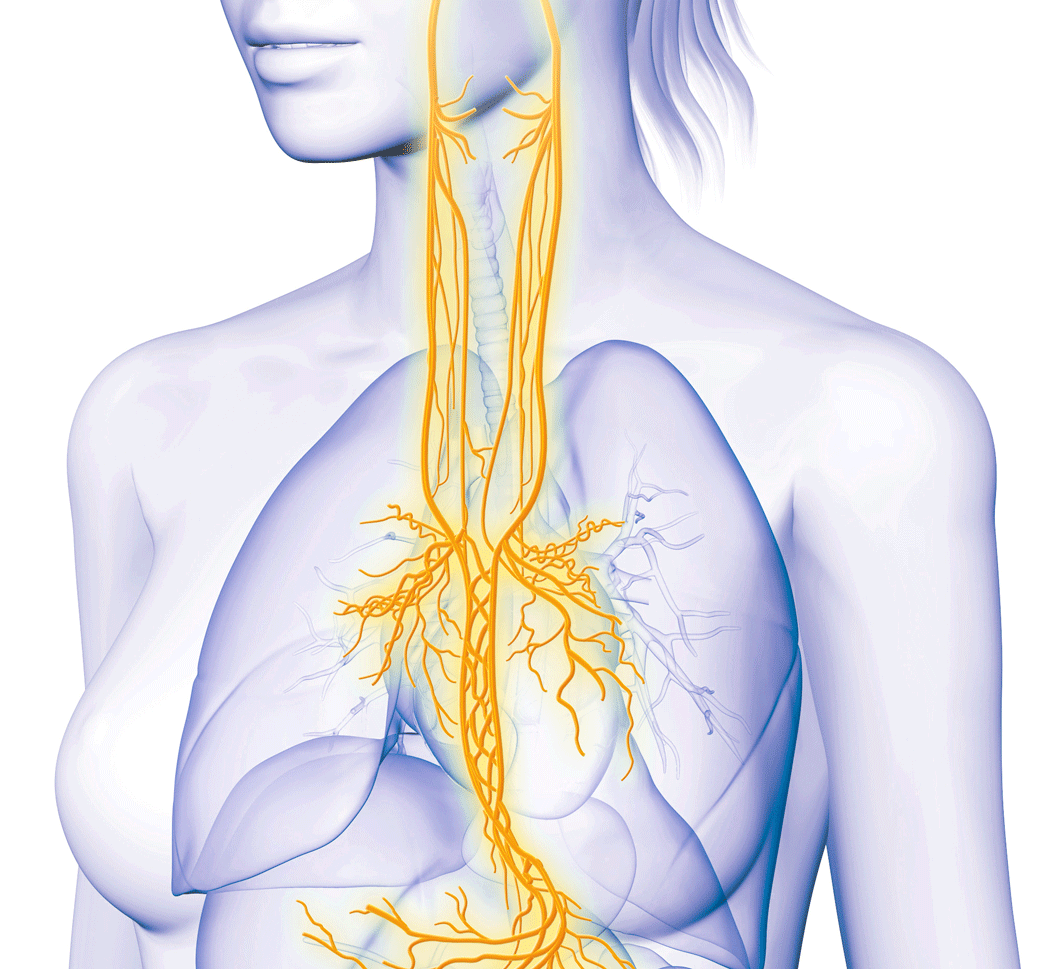
A challenging puzzle to solve?
Diagnosing vagus nerve damage or dysfunction presents a complex puzzle for several reasons, making it a challenging endeavor that requires a comprehensive approach. The intricacies of the nervous system, particularly the vagus nerve's far-reaching influence, contribute to the complexity of diagnosis. Firstly, the vagus nerve is intricately connected to various bodily functions, including heart rate regulation, digestion and even mood. Symptoms arising from vagus nerve dysfunction can overlap with those of other medical conditions, making it difficult to pinpoint the exact cause. Secondly, symptoms of vagus nerve dysfunction can vary widely from person to person. While some individuals might experience heart rate irregularities, others may face issues like digestive disturbances, dizziness, or voice changes. This diversity of symptoms further complicates diagnosis, as a one-size-fits-all approach doesn't apply. Additionally, many of the diagnostic tests for vagus nerve dysfunction are specialised and require expertise in neurology, cardiology, gastroenterology, musculoskeletal therapy and other medical fields. Coordinating these tests and interpreting their results accurately demands a multidisciplinary approach, making the diagnostic process intricate and time-consuming. Furthermore, the interconnectedness of the vagus nerve with the autonomic nervous system means that dysfunction might stem from various underlying causes. These can range from physical trauma, infections, inflammation, to systemic diseases like diabetes or autoimmune disorders. Identifying the root cause is essential for effective treatment, but it often requires thorough investigation. Lastly, vagus nerve dysfunction might be secondary to a primary health condition, further complicating diagnosis. Solving vagus nerve related issues requires a thorough understanding of the individual's medical history, lifestyle factors and current health status. In navigating the complexity of diagnosing vagus nerve damage or dysfunction, it's crucial to work closely and collaboratively with healthcare professionals who specialise in neurology, cardiology, gastroenterology or other relevant fields. A collaborative approach that combines medical history, physical examinations, specialised tests and expert consultations is essential to unravel this intricate puzzle and develop a targeted treatment plan. The following methods can individually or collectively contribute to understanding the potential of vagus nerve damage or dysfunction. It's important to note that the choice of method depends on the specific clinical context and suspected issues.
LIST OF SYMPTOMS
It's important to note that these symptoms can vary widely and may not always be solely due to vagus nerve dysfunction. Additionally, some symptoms might overlap with other medical conditions. If you're experiencing any of these symptoms persistently, it's advisable to seek medical evaluation to determine the underlying cause and receive appropriate treatment.
List of tests used to diagnose vagus nerve damage or dysfunction.
Medical History: Healthcare professionals will begin by gathering a detailed medical history, including information about your symptoms, their duration, and any potential triggers. Sharing any recent illnesses, surgeries, or changes in medication is crucial, as these factors can provide insights into the potential cause of nerve dysfunction.
Symptom Evaluation: Certain symptoms can raise suspicion of vagus nerve damage or dysfunction. These might include heart rate irregularities such as bradycardia (slow heart rate) or tachycardia (fast heart rate), digestive issues like gastroparesis (slow digestion), difficulty swallowing, changes in voice quality, dizziness, fainting, or mood disturbances. Experiencing a combination of these symptoms could point to nerve-related issues.
Physical Examination: A thorough physical examination is conducted to assess vital signs like heart rate, blood pressure and reflexes. The doctor will also examine your throat, listen to your heart and lungs and check for any visible signs of nerve-related symptoms.
Heart Rate Variability (HRV) Analysis: This measures the variation in time between successive heartbeats, reflecting the balance between sympathetic and parasympathetic nervous system activity, including vagal tone.
Valsalva Maneuver: The individual is asked to forcefully exhale while keeping the mouth and nose closed. This test evaluates the heart rate response to changes in intrathoracic pressure, providing insights into autonomic function.
Gag Reflex: During this part of the examination, the doctor may use a soft cotton swab to tickle the back of the throat on both sides. This should cause the person to gag.
Deep Breathing Test: Patients are instructed to breathe deeply at specific rates while heart rate and blood pressure responses are monitored. Abnormalities in heart rate modulation can indicate vagus nerve dysfunction.
Blood Pressure Response to Standing: Monitors blood pressure and heart rate changes when moving from lying to standing, revealing autonomic nervous system responsiveness, including vagal activity.
Tilt Table Test: This evaluates how the body responds to changes in position, assessing autonomic regulation of heart rate and blood pressure. Vagus nerve dysfunction can contribute to abnormal responses.
Quantitative Sudomotor Axon Reflex Test (QSART): This assesses the sweat response in different parts of the body, reflecting autonomic nerve function, including vagal involvement.
Thermoregulatory Sweat Test: Assesses the body's ability to sweat in response to temperature changes, reflecting autonomic nerve function, which includes the vagus nerve.
Quantitative Pupillometry: Measures changes in pupil size in response to light and dark conditions, indicating autonomic nerve function, including vagal involvement.
Gastric Accommodation Reflex Test: Measures how the stomach relaxes in response to a meal, reflecting vagus nerve influence on gastric function.
Ewing Battery of Tests: A collection of cardiovascular reflex tests that assess various aspects of autonomic function, including heart rate response to standing, deep breathing and Valsalva maneuver.
Cardiovagal Baroreflex Sensitivity Testing: Evaluates how the autonomic nervous system regulates blood pressure in response to changes in heart rate, providing insights into vagus nerve health.
Electromyography (EMG): This test involves the insertion of tiny electrodes into muscles to measure their electrical activity. EMG can help identify muscle weakness, nerve damage, or abnormal nerve signals that may be indicative of vagus nerve dysfunction.
Nerve Conduction Studies (NCS): NCS assess the speed and strength of nerve signals as they travel along nerve pathways. By measuring how well nerves transmit electrical impulses, healthcare professionals can detect abnormalities in nerve function.
Esophageal Manometry: This procedure evaluates the movement and coordination of muscles in the esophagus, shedding light on how the vagus nerve influences swallowing and peristalsis.
Gastric Emptying Studies: These studies assess how quickly the stomach empties its contents into the small intestine. Abnormalities can indicate vagus nerve dysfunction impacting digestion and gastric motility.
SmartPill™ Capsule: This ingestible device equipped with sensors travels through the digestive tract, recording data on pH, pressure, and temperature, providing insights into vagus nerve-related effects on digestion.
Electrogastrography (EGG): EGG measures the electrical activity of the stomach muscles. Variations in these electrical signals can reveal vagus nerve dysfunction affecting gastric motility.
Barium Swallow Test: A contrast material (barium) is ingested and tracked through X-ray imaging. This can identify structural abnormalities and functional issues influenced by vagus nerve signals.
Anorectal Manometry: This test evaluates rectal and anal sphincter muscle function. It can indirectly provide information about vagus nerve health due to its role in regulating digestive functions.
Breath Tests: These tests detect the presence of certain gases produced by bacteria during digestion. Variations can point to vagus nerve-related issues impacting gut microbiota and digestion.
Endoscopy: While primarily used for visual examination, endoscopy can identify abnormalities or inflammation that may be linked to vagus nerve dysfunction.
High-resolution Manometry (HRM): A more advanced form of manometry that provides detailed pressure data throughout the esophagus, helping to identify and evaluate esophageal motility patterns.
Electrogastroenterography (EGEG): This method measures the electrical activity of the stomach and can help diagnose conditions influenced by vagus nerve damage.
Imaging: In some cases, imaging studies such as MRI or CT scans may be ordered to rule out structural abnormalities or identify potential causes of nerve dysfunction.
Laboratory Tests: Blood tests can help identify underlying health conditions like diabetes or vitamin deficiencies that might be contributing to nerve damage.