FAQ
the
FAQ
the
The Brain's Vital Highway Connecting to Every Corner of the Body
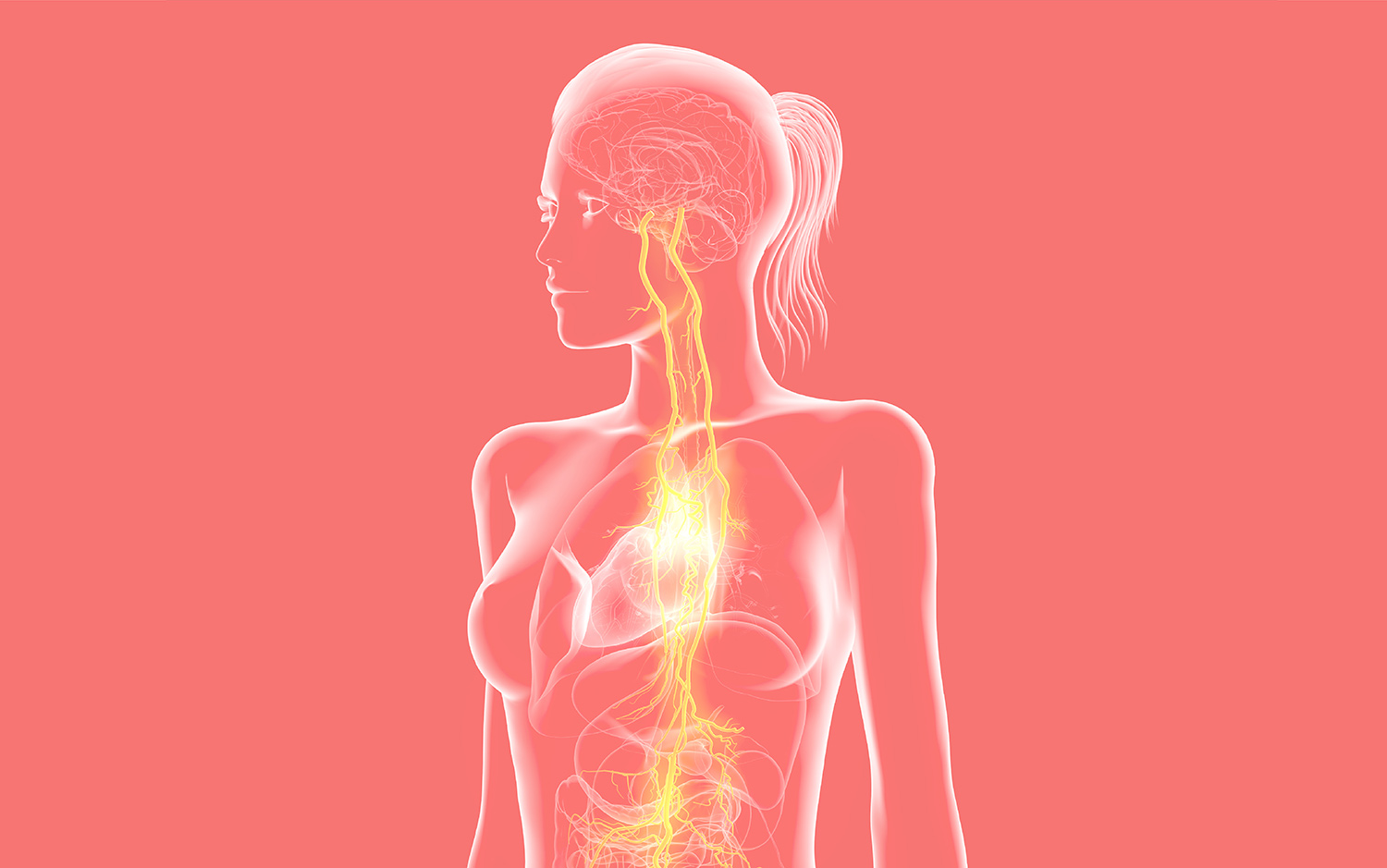
The vagus nerve is the longest of the 12 cranial nerves, which originate in the brainstem and innervate various organs in the body. It is also known as the tenth cranial nerve or CN X. The vagus nerve is a mixed nerve that contains both sensory and motor fibers and it has a wide range of functions that include regulating the heartbeat, breathing and digestion, as well as controlling various muscles in the body, such as those involved in speech and swallowing. The vagus nerve has two main branches: the sensory branch, which receives information from various organs in the body and sends it to the brain and the motor branch, which sends signals from the brain to various organs to control their functions. The vagus nerve plays a crucial role in the parasympathetic nervous system, which is responsible for promoting rest and relaxation, as well as regulating bodily functions during times of rest and recovery. Read more about the Vagus Nerve...
The cranial nerves are a set of twelve nerves that are part of the peripheral nervous system. These nerves originate from specific nuclei within the brain and exit the cranium through various foramina and fissures. The sequential order in which they exit, from the rostral (front) to caudal (back) regions, determines their numerical assignment from 1 to 12. Now, let's explore the names and functions of these cranial nerves in detail.
 CN XI: Accessory Nerve
The autonomic nervous system consists of two main divisions: the sympathetic and the parasympathetic systems. These branches work in conjunction to control involuntary bodily processes. The Sympathetic System initiates the body's "fight or flight" response. For instance, it accelerates heart rate and prompts the release of adrenaline to prepare for stressful scenarios. On the other hand, the Parasympathetic System, referred to as the "rest and digest" response, is responsible for actions such as reducing heart rate, narrowing pupils, and promoting digestion during periods of relaxation. Central to the parasympathetic system is the vagus nerve (cranial nerve X), a lengthy cranial nerve originating in the brainstem and extending throughout the body to connect with organs like the heart, lungs, digestive tract and much more. The vagus nerve acts as a critical conduit between the brain and internal organs, influencing parasympathetic functions. It moderates heart rate, promotes digestion and encourages relaxation. Activation of the vagus nerve counters the effects of the sympathetic system, reinstating equilibrium and sustaining overall bodily balance, a state known as homeostasis.
Homeostasis, the body's remarkable capacity to maintain internal stability, extends its influence to the intricate interaction of the sympathetic and parasympathetic nervous systems. These components of the autonomic nervous system ensure equilibrium amidst external challenges. The sympathetic system initiates the "fight or flight" response, priming the body for action by increasing heart rate, dilating pupils, and redirecting blood flow to muscles. Meanwhile, the parasympathetic system orchestrates the "rest and digest" response, promoting relaxation, lowering heart rate, and facilitating digestion, allowing the body to heal, recover and conserve energy. Maintaining this delicate balance ensures adaptability to diverse situations, whether confronting stress or enjoying moments of serenity. Imbalances can impact health; chronic stress can lead to sympathetic dominance, potentially contributing to health issues. Calming practices such as meditation activate the parasympathetic system, aiding relaxation, while exercise engages both systems, promoting adaptability and resilience. By comprehending and nurturing the balance between the sympathetic and parasympathetic nervous systems, you're essentially empowering a harmonious state of well-being.
The gut-brain axis is a bidirectional communication system that connects the central nervous system (CNS) to the enteric nervous system (ENS) of the gastrointestinal (GI) tract. The vagus nerve is one of the major components of this axis and plays a crucial role in the communication between the brain and the gut. The vagus nerve connects the brainstem to the gut and sends signals that regulate various GI functions, including digestion, absorption, motility and gut secretion. Additionally, the vagus nerve plays a key role in the regulation of the immune system, which is closely linked to gut health. Research suggests that disturbances in the gut-brain axis, including vagus nerve dysfunction, can contribute to the development of various GI disorders, such as irritable bowel syndrome (IBS), inflammatory bowel disease (IBD) and gastroparesis. Furthermore, the gut-brain axis has been linked to various psychiatric disorders, such as anxiety, depression and autism. Overall, the vagus nerve plays a vital role in the communication between the brain and the gut and is a key component of the gut-brain axis. Dysfunction of the vagus nerve and other components of the gut-brain axis can lead to a range of GI and psychiatric disorders.
Vagal tone serves as a powerful indicator of the vagus nerve's activity, shaping its influence on a range of vital bodily functions. This measure is commonly evaluated by examining your heart rate variability (HRV) and breathing rate as the same time. While it’s activity baseline influence remains constant, its intensity is finely tuned by a delicate interplay between the sympathetic and parasympathetic divisions of the autonomic nervous system, with the parasympathetic component often taking the lead. Elevated vagal tone is widely regarded as advantageous, aligning with improved overall health and bolstered resilience against stressors. It fosters a sense of calm and relaxation, contributes to heart rate regulation, optimises digestion and fortifies various parasympathetic functions. In contrast, diminished vagal tone may lead to heightened stress levels, reduced heart rate variability and an increased susceptibility to a spectrum of health concerns, encompassing cardiovascular ailments, gastrointestinal disturbances, mental health challenges and much more.