Understanding the potential risks to the
Understanding the potential risks to the
Did you know that surgeries near the vagus nerve carry significant risks?
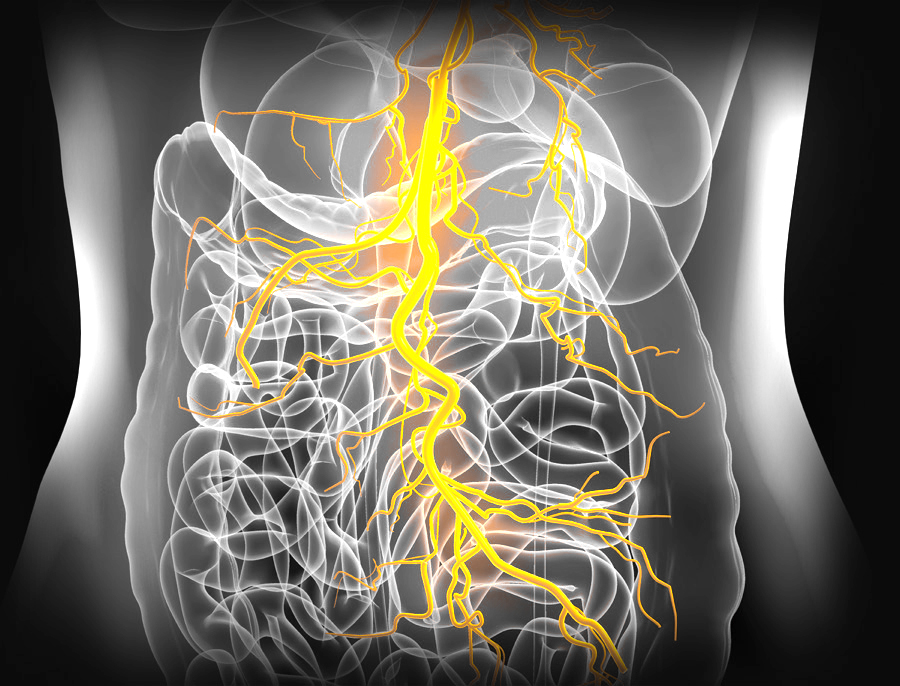
Given its crucial role in many of involuntary bodily functions, the consequences of injuring the vagus nerve during surgery can have profound and far-reaching effects on an individual's health and overall well-being. (See Understanding the Vagus Nerve). With it’s many weaving branches amongst many major bodily organs this nerve is to be carefully considered during surgical procedures. Procedures such as thyroid, esophageal, lung, and throat surgeries and most notably, cardiac and gastric bypass interventions, pose notable risks to the vagus nerve due to its close proximity to these regions.
Despite the risk to the vagus nerve during surgery, there have been advancements in surgical methods and nerve monitoring technologies that have reduced the occurrence of damage to this vital nerve. However, it is still very important to make informed decisions, seek recommendations from healthcare professionals and utilise online resources when considering a surgical procedure. Consider a surgeon's credentials, experience and specialisation in your required procedure. Research hospitals for skilled surgeons and review patient feedback judiciously.
During consultations, discuss your condition, treatment options and expectations with your surgeon to build trust and assess their knowledge about the vagus nerve. Evaluate surgical facilities and technology and have candid conversations about potential complications and success rates. Seeking a second opinion also adds clarity. While costs matter, prioritise expertise over financial considerations. Trust your intuition; if something feels wrong, explore alternative options. Choosing a knowledgeable and experienced surgeon ensures a positive surgical experience with better outcomes and added safety to our Vagus Nerve!
'First do no harm'
The principle of 'first do no harm', deeply rooted in history and the Hippocratic Oath, has driven efforts to avoid medical interventions with adverse outcomes. Doctors and surgeons often take the Hippocratic Oath or variations of it as part of their professional initiation or graduation ceremonies. The Hippocratic Oath is an ancient ethical code attributed to the ancient Greek physician Hippocrates, often considered the father of Western medicine. While there are many versions of the oath, the essence remains consistent: to uphold high ethical standards in medical practice and prioritise the well-being of patients. The "To Err is Human" report, published by the Institute of Medicine (now the National Academy of Medicine) in 1999, is a pivotal document that addressed patient safety concerns in the healthcare system. It exposed the alarming prevalence of medical errors causing harm to patients, highlighting systemic issues over individual negligence. The report advocated for a cultural shift towards transparent error acknowledgment, underscored the role of both systemic and human factors in errors and recommended measures such as a mandatory adverse event reporting system, improved healthcare professional training and increased patient engagement. The report's influence was profound, sparking heightened attention to patient safety, quality improvement and discussions on systemic changes within healthcare. However, this cautious approach often emphasises harm avoidance over active well-being promotion. Shifting from a 'disease-based' to a 'health' model is now crucial. Preventing harm entails more than avoiding risks; it requires proactive well-being enhancement and a patient-centered perspective. This comprehensive approach transforms patient safety into a dynamic pursuit of health and quality of life, redefining the essence of 'first do no harm'.