Interesting Facts about the
the
Interesting Facts about the
the
Find out how the extraordinary influences the everyday!
The vagus nerve, an intricate neural pathway holds a myriad of captivating secrets about our body's functioning. Nestled within the complex network of the nervous system, the vagus nerve plays a pivotal role in connecting the brain to various organs and systems, influencing everything from our heartbeat to digestion and even our emotional well-being.
As we delve into this remarkable nerve, prepare to uncover an array of intriguing facts that highlight its influence on diverse aspects of our physiological and psychological experiences. From its involvement in the mind-body connection to its impact on health and wellness discover how the extraordinary vagus nerve influences, the everyday in ways you might never have imagined.
1. Vagus Nerve Damage or Dysfunction can cause digestive issues
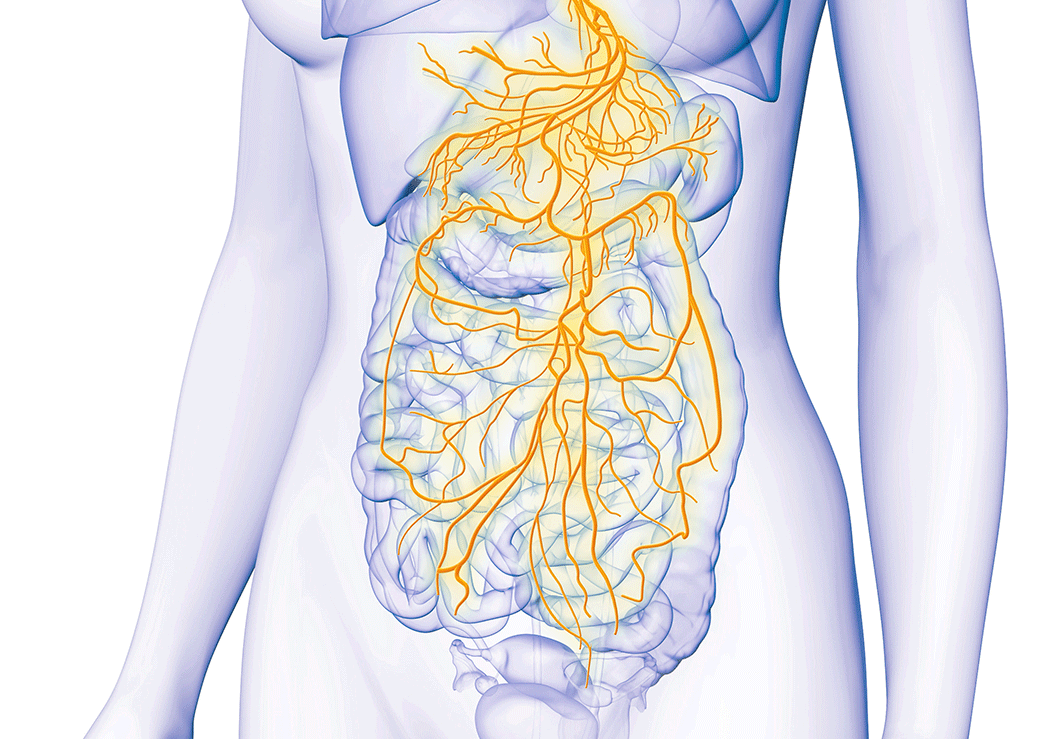
The vagus nerve, a crucial link between the brain and the digestive system, commonly referred to as the Gut-Brain axis, plays a pivotal role in maintaining healthy digestion. When damage occurs to this intricate nerve, it can disrupt the seamless communication between these two systems, leading to a range of digestive issues. The vagus nerve controls the movement and contractions of the digestive tract, enabling the rhythmic motion that propels food along the digestive journey.
Additionally, it influences the release of digestive enzymes and acids, aiding in the breakdown of food. Damage to the vagus nerve can result in slowed motility, causing issues like gastroparesis, where the stomach struggles to empty properly. It can also lead to improper signaling of digestive juices, potentially triggering conditions like acid reflux. This connection between the vagus nerve and digestion underscores its significance in maintaining a well-functioning gastrointestinal system.2. Low Vagal tone linked to chronic inflammation and autoimmune diseases
Recent research has unveiled a fascinating connection between the vagus nerve and our body's inflammatory response. Low vagal tone, which refers to reduced activity of the vagus nerve, has been correlated with chronic inflammation—an underlying factor in various health conditions. The vagus nerve's anti-inflammatory effects stem from its ability to release neurotransmitters that dampen the immune response and curb the production of pro-inflammatory molecules. When vagal tone is low, this regulatory mechanism becomes compromised, potentially contributing to the development or exacerbation of inflammatory diseases.
Conditions like Sjögren's syndrome, lupus and rheumatoid arthritis, characterised by the immune system's attack on the body's own tissues, suggest a potential link to vagus nerve dysfunction due to their impact on nerve signaling. As the vagus nerve plays a crucial role in regulating various bodily functions, including immune responses, disruptions in its function could influence the course of autoimmune disorders. Through a mechanism known as the "inflammatory reflex," this nerve wields a profound influence over inflammation, the body's own defence response against threats. The Vagus Nerve facilitates the communication between the nervous system and the immune system via the parasympathetic branch.
When activated, it releases acetylcholine—a neurotransmitter that engages immune cells, particularly macrophages, in an anti-inflammatory response. Additionally, Macrophages, the vigilant guardians of the immune system, harbor receptors for acetylcholine. When these receptors bind to acetylcholine, a harmonious anti-inflammatory response unfurls within the macrophages. Acetylcholine's message through the vagus nerve extends to cytokines, the messengers of immune responses. This signaling reduces the production of pro-inflammatory cytokines, soothing inflammation. This intricate network is aptly named the "cholinergic anti-inflammatory pathway”. The vagus nerve's role resonates in neurotransmitter balance. It orders the release of anti-inflammatory neurotransmitters, while tempering the pro-inflammatory ones. At its core, the vagus nerve safeguards the body's internal equilibrium—homeostasis—by taming inflammation.3. Your Breathing and the Vagus Nerve Connection
Typically, your breathing is controlled by the autonomic nervous system (ANS), requiring no conscious thought or awareness. Your breathing is subject to a delicate, involuntary balance between the two divisions of the ANS know as the parasympathetic nervous system (PNS), where the vagus nerve resides and the sympathetic nervous system (SNS).
During exhalation, the PNS takes the lead, with the vagus nerve prompting a slowdown in your breathing, by lowering your heart rate through the sinoatrial node via its pulmonary branch. It also signals the constriction of bronchial tubes and the widening of pulmonary blood vessels while relaxing the smooth muscles lining your bronchi, the larger, cartilaginous tubes from trachea and bronchioles, the smaller, thin-walled branches in lungs for airflow regulation and gas exchange.
When it's time to inhale again, the vagus signals back to the brain, prompting the SNS to regain control. The SNS increases your breathing rate, expands your bronchial tubes and narrows pulmonary blood vessels, enabling your lungs to inhale again. This back-and-forth interaction is between the PNS and SNS is essential for maintaining a harmonious respiratory rhythm.
If your vagus nerve becomes damaged or impaired, it can lead to a conscious awareness of irregular breathing patterns, such as shallow or rapid breaths, making it more challenging to take deep breaths, urge to cough and struggle to obtain efficient oxygen. Similarly, if your immune system becomes overactive due to irritant or allergen exposure or autoimmune responses, your vagus nerve can trigger excessive or prolonged bronchoconstriction, which has been linked to respiratory conditions such as asthma and chronic obstructive pulmonary disease (COPD).
4. Vagus Nerve Stimulation can ease epilepsy
If you or a loved one are navigating the challenges of epilepsy, you're likely aware of the quest for effective treatments. For individuals who are not candidates for brain surgery or whose condition doesn't respond effectively to medication alone, Vagal Nerve Stimulation (VNS) has demonstrated its role as a supplementary treatment for epilepsy. This approach involves the implantation of a discreet device that stimulates the vagus nerve with regular electrical impulses. It's believed that the stimulation might enhance the release of key neurotransmitters like serotonin and norepinephrine, exerting a stabilizing influence on brain function. Additionally, VNS therapy could potentially recalibrate the brain's overall excitability, curbing excessive neural firing that can trigger seizures.
Typically, this device is implanted in the upper left chest area, just beneath the collarbone. The generator is then connected to the vagus nerve, which runs along the neck and down into the chest. A thin, insulated wire called a lead is threaded from the generator to the vagus nerve. The lead is usually tunnelled under the skin from the chest area to the neck, where it is wrapped around the vagus nerve. This allows the generator to deliver controlled electrical impulses to the nerve, which in turn can influence neural activity and potentially reduce the occurrence of seizures. The procedure to implant the VNS device is performed by a surgeon and is typically done under general anaesthesia. After the device is implanted, it can be programmed and adjusted by a medical professional to deliver the appropriate level of stimulation to the vagus nerve based on the individual's needs and response to treatment.
While the notion of implantation may raise eyebrows, patients have reported manageable side effects including temporary hoarseness, mild headaches and throat sensations. Response to VNS varies, with some individuals experiencing significant reductions in seizure severity and frequency, while others observe subtler changes or none at all.
5. Not Just for Heartbeats and Digestion - Its Role in Bladder Control Will Surprise You!
Yes, you read that right! This superstar nerve, known for its role in regulating heartbeats and digestion, also has its hand – or should we say, fiber – in how your bladder behaves. When the vagus nerve is working like a charm, it ensures your bladder is well-coordinated – alerting you when it's time to relieve yourself and orchestrating smooth emptying. When the time comes for urination, the vagus nerve initiates the micturition reflex – a choreographed sequence involving the relaxation of the bladder's smooth muscles and the coordinated contraction of the urethral sphincters.
This elegant interplay ensures that the process of urination is both timely and efficient. But, as with any dynamic duo, things can sometimes go awry. Vagus nerve dysfunction can disrupt this harmonious partnership, causing a host of bladder issues. Imagine facing an uncontrollable urge to rush to the restroom, unexpected leaks, or even difficulty fully emptying your bladder. It's as if the communication lines between the nerve and the bladder got crossed, leading to a less-than-pleasant symptoms. Read more about vagus nerve bladder dysfunction…
6. Vagus Nerve Stimulation can treat depression
For those wrestling with treatment-resistant depression, Vagus Nerve Stimulation offers a new avenue for relief. This groundbreaking therapy involves gentle electrical impulses delivered to the vagus nerve, a key player in mood regulation. Although the exact mechanisms are still being unravelled, early evidence suggests that VNS might trigger the release of mood-enhancing neurotransmitters. The vagus nerve connected to regions of the brain responsible for emotional regulation, including the amygdala and prefrontal cortex. Activation of the vagus nerve can stimulate the release of neurotransmitters like serotonin and norepinephrine, which play pivotal roles in mood stabilisation and feelings of well-being.
Conversely, a lack of vagal activity has been associated with reduced levels of these neurotransmitters, potentially contributing to the development and persistence of depression. The electrical impulses delivered directly to the vagus nerve, aims to address this imbalance. By enhancing vagal activity and increasing neurotransmitter release, VNS has shown promise in alleviating treatment-resistant depression. While the precise roles of the vagus nerve in depression are still under investigation, it's evident that this nerve holds a substantial place in the complex interplay of elements that contribute to mood disorders.
7. Fainting can be a sign of Vagus Nerve overreaction
The vagus nerve, a key player in heart rate and blood pressure control, has been identified as a driving force behind fainting incidents through a process known as vasovagal syncope. A prevalent cause of fainting, often sparked by stress, pain, fear or abrupt changes in posture, this phenomenon sheds light on the nerve's intricate functions. When a triggering event occurs, the vagus nerve springs into action by transmitting signals that decelerate heart rate and widen blood vessels. This sudden drop in heart rate and blood pressure can temporarily diminish blood flow to the brain, triggering fainting.
During a vasovagal syncope episode, the vagus nerve sets off a series of physiological transformations. It can induce a slower heartbeat (bradycardia) and weaken the heart's pumping force, leading to reduced cardiac output. Furthermore, the nerve can prompt blood vessels to expand, causing blood to accumulate in the lower extremities and impeding blood return to the heart. This dual effect of decreased heart rate and blood pressure, coupled with insufficient cerebral blood flow, can prompt momentary loss of consciousness.
Vasovagal syncope is believed to be an evolutionary mechanism designed to safeguard the body in the presence of perceived threats. By inducing a fainting episode and prompting an individual to lie down horizontally, this response facilitates the restoration of blood flow to the brain, hastening the recovery of consciousness.8. Did you know that bad breath and chronic throat clearing might be early signs of vallecular pooling!
Vallecular pooling is the collection of fluids, often saliva and post nasal mucous, caught in the vallecular, a small space between the base of the tongue and the epiglottis the flap of cartilage at the back of the throat, before the larynx. Vallecular pooling is linked with vagus nerve damage or dysfunction because of this nerves essential involvement in the coordination of the muscles involved in swallowing.
When the vagus nerve detects a bolus in the pharynx, it triggers the swallowing reflex. It coordinates the pharynx muscles to contract and relaxes the upper esophageal sphincter allowing the bolus passage into the esophagus. Dysfunction of the vagus nerve or related muscles it innervates can disrupt swallowing coordination, such as the closure of the epiglottis, causing fluids to pool in the throat.
Pooling in the vallecula can lead to aspiration, where unwanted food enters the airway instead of the esophagus, pneumonia and persistent throat clearing. Allergies and sinusitis can worsen vallecular pooling, with a post-nasal drip causing additional fluids to accumulate in the vallecula. This can lead to bad breath as bacteria breaks down trapped materials, releasing foul-smelling gases.
Treatment for vallecular pooling resulting from vagus nerve dysfunction requires a comprehensive approach, involving consultation with specialists like ENT doctors, speech therapists or neurologists to diagnose the root cause. Treatment includes dietary changes, medications and speech therapy to improve swallowing coordination, potentially involving surgery in severe cases.
9. Whiplash or a neck injury can potentially impact the vagus nerve!
Whiplash or neck injuries, which frequently happen in car accidents, expose the head and neck to swift and forceful movement. Due to the delicate structure of the vagus nerve, especially its proximity to the C1, C2 and C3 vertebrae in the neck, trauma to the neck can lead to short- or long-term cervical instability. Cervical instability can affect the vagus nerve through compression and/or impingement, disrupting its signalling ability.
Neck trauma can also trigger swelling, inflammation, or tissue damage in the neck area, indirectly impacting the vagus nerve. Swollen or damaged tissues nearby can compress or irritate it, causing symptoms and dysfunction. These symptoms may not appear immediately, making it challenging to link them to the injury. They might develop gradually, emphasising the need for medical evaluation if you experience persistent, unusual symptoms after a neck injury.
Diagnosing vagus nerve dysfunction caused by neck trauma involves clinical evaluation to assess medical history, symptoms and physical examination of neck injuries by your medical practitioner. Imaging studies, like MRI and CT scans, provide detailed insights into the nerve's condition and surrounding structures. Ultrasound can detect issues in the surrounding tissues and Electromyography tests the nerve's muscle control.
10. Vagus Nerve's Impacts Memory Enhancement
Amidst the intricate network of the nervous system, the vagus nerve emerges as a surprising player in the realm of memory enhancement. Recent research has illuminated a captivating link between vagus nerve stimulation and heightened cognitive performance, particularly in the domain of memory. Stimulating the vagus nerve can lead to improvements in memory recall and overall cognitive function.
This revelation not only sheds light on the vagus nerve's multifaceted role but also holds implications for broader cognitive processes. While the exact mechanisms remain under investigation, this discovery underscores the astonishing interplay between our body's physiological intricacies and the remarkable depths of memory and cognition. As science continues to delve into the fascinating interactions within our nervous system, the vagus nerve stands as a testament to the untapped potential within our own bodies to shape and enhance cognitive abilities.
11. Step aside, Cupid! Did you know that the vagus nerve can pave the way for intimacy?
Sexual arousal and function in both men and women are regulated by a complex interplay of many factors, including psychological, emotional, hormonal and physical responses that involve both the somatic nervous system and the autonomic nervous system, the latter of which the vagus nerve plays a small role as part of the parasympathetic division.
Much like Cupid, your vagus nerve sets the stage for feelings of affection and desire, indirectly influencing sexual arousal in several ways. The vagus nerve promotes a state of relaxation in harmonious balance against stress, creating the right environment for sexual arousal. Through its effects on mood, breathing, heart rate, it enhances our ability to relax, experience a sense of well-being, remain socially receptive and feelings of being safe the vagus nerve contributes to creating an environment for intimacy.
When we're suffering from stress, either chronic or acute, our body's sympathetic nervous system is triggered, which can have a major impact on our sexual function. When the body is sympathetic dominant, experiencing high levels of stress, sexual function may be affected by decreased arousal, difficulty reaching orgasm, erectile dysfunction, muscle tension, reduced libido, relationship issues, and vaginal dryness.
While it's busy setting the mood for sexual arousal, it is also physically charging your genital area by signalling the blood vessels to relax and widen, referred to as vasodilation. This allows more blood to flow to the genital areas. This increased blood flow is essential for achieving and maintaining an erection in men and engorgement of sexual organs in women. Much like Cupid's arrows of love, the sensory pathway of the vagus nerve also contributes to our perception of sexual stimulation. It acts as a messenger, conveying sensations of touch, pressure and temperature from intimate regions to the brain for interpretation and response. So next time you are looking for love, don’t summon cupid - activate your vagus nerve instead!
12. Social Interaction is influenced by the Vagus Nerve
As part of the autonomic nervous system, which governs involuntary bodily functions, the vagus nerve’s influence extends to our emotional responses and interpersonal dynamics. Vagus nerve activity is associated with the release of oxytocin, often referred to as the "love hormone." Oxytocin enhances feelings of trust, empathy and connection, fostering harmonious social interactions. This hormone is particularly crucial in forming and maintaining close relationships. Furthermore, the vagus nerve's activity affects our physiological responses to stress. When the vagus nerve is activated, it triggers the "rest and digest" response, counteracting the body's stress response. This can lead to a calmer demeanour, making individuals more receptive to social cues and interactions. Additionally, the vagus nerve's intricate connections with brain regions responsible for emotional processing and facial expressions enable us to read and interpret social cues more effectively. It aids in deciphering subtle emotional nuances in others, allowing for more accurate empathy and understanding.
13. Breathing techniques can stimulate your Vagus Nerve
Breath regulation techniques, such as deep breathing and diaphragmatic breathing, offer a powerful gateway to harnessing the potential of the vagus nerve for enhancing relaxation and alleviating stress. By consciously engaging in controlled and deliberate breathing patterns, individuals can stimulate the vagus nerve's activity and initiate a cascade of physiological responses that foster tranquillity. Deep breathing involves taking slow, intentional breaths, allowing the lungs to fill deeply and fully before exhaling slowly. Diaphragmatic breathing, on the other hand, focuses on engaging the diaphragm muscles to facilitate a rhythmic expansion and contraction of the lungs. Both techniques create a profound connection between the breath and the vagus nerve, resulting in the activation of the parasympathetic nervous system—the body's natural relaxation response. As the vagus nerve is triggered, heart rate slows down, blood pressure decreases and an overall sense of calm prevails. Incorporating these techniques into daily routines can yield remarkable benefits, not only promoting immediate relaxation but also aiding in long-term stress management. In a world characterised by constant hustle and bustle, mastering the art of breath regulation offers a simple yet potent tool to tap into the body's inherent ability to find serenity amidst life's challenges.
14. Vagus Nerve dysfunction linked to Chronic Fatigue Syndrome
Chronic Fatigue Syndrome (CFS), a complex and enigmatic condition, has intrigued researchers and medical professionals for years. While its exact cause remains elusive, several theories have emerged to shed light on its origins. One intriguing avenue of exploration is the potential role of vagus nerve dysfunction in contributing to the symptoms of CFS. The vagus nerve, a vital conduit between the brain and various organs, plays a pivotal role in regulating numerous bodily functions, including immune response, inflammation and stress modulation. Some researchers propose that disturbances in the functioning of the vagus nerve could lead to dysregulation in these areas, potentially contributing to the hallmark symptoms of CFS, such as persistent fatigue, cognitive difficulties, and unrefreshing sleep. While the relationship between vagus nerve dysfunction and CFS is complex and multifaceted, this theory underscores the intricate interplay between the nervous system and overall well-being. As research continues to delve into the mysteries of CFS, understanding the potential involvement of the vagus nerve provides another avenue for unravelling the complexities of this challenging condition.
15. The vagus nerve is a contributing factor in POTS
Postural Orthostatic Tachycardia Syndrome (POTS) is characterised by a rapid increase in heart rate upon assuming an upright position, often accompanied by dizziness, lightheadedness and sometimes fainting. Vagus nerve dysfunction is thought to be a contributing factor to the development of POTS. The vagus nerve, a cornerstone of autonomic nervous system control, plays a critical part in regulating heart rate, blood pressure and circulation. If this intricate system falters, changes in position might trigger an exaggerated response, leading to the hallmark symptoms of POTS. While the relationship between vagus nerve dysfunction and POTS is still being determined, this line of inquiry shines a light on the interconnectedness of bodily systems and the intriguing potential for a deeper understanding of this complex syndrome.
16. One Puzzle Piece in the Complexity of Obesity
The battle against obesity is a complex one, involving intricate interactions between various bodily systems. Operating as a vital bridge between the brain and the digestive system, the vagus nerve plays a pivotal role in appetite regulation and digestion. It sends signals to the brain about the body's satiety levels, influencing feelings of hunger and fullness. When this finely tuned communication system falters due to vagus nerve dysfunction, it could disrupt the delicate balance of appetite control, potentially leading to overeating and weight gain.
Moreover, the vagus nerve also affects the release of hormones involved in metabolism and fat storage. Dysfunction in this area could contribute to metabolic irregularities, further exacerbating the risk of obesity. While vagus nerve dysfunction is just one piece of the obesity puzzle, understanding its potential impact underscores the intricate web of factors contributing to this global health challenge. As research advances, delving into the vagus nerve's role in weight regulation offers new insights that could potentially guide innovative approaches to obesity prevention and management.
17. Significant connection between vagus nerve dysfunction and Gastroparesis
Did you know that the intricate communication between the vagus nerve and your digestive system plays a crucial role in ensuring the smooth movement of food through your stomach? Gastroparesis, a condition that highlights the significance of this connection. When the vagus nerve experiences dysfunction, it can lead to disruptions in the rhythmic contractions of stomach muscles. As a result, the stomach's ability to propel food along its journey is compromised, leading to a condition known as gastroparesis. In this intriguing yet challenging scenario, the stomach takes longer than usual to empty its contents, causing symptoms like bloating, nausea, vomiting and feelings of fullness even after consuming a small amount of food.
This condition shines a spotlight on the intricate coordination required between our nervous system and digestive processes. Understanding the impact of vagus nerve dysfunction on gastroparesis not only underscores the complexity of our body's functions but also paves the way for innovative approaches to managing this condition and restoring the harmony between the vagus nerve and the stomach's contractions.
18. Does Caffeine impact function of the vagus nerve?
Caffeine, a stimulant that affects the central nervous system, can be found in coffee, tea, energy drinks and select sodas. Its impact on the body encompasses various aspects, potentially extending to the vagus nerve. Renowned for its stimulating effects on the central nervous system, caffeine can increase neural activity. This heightened activity could extend to the vagus nerve, affecting vagal tone, heart rate variability and diverse autonomic functions.
The consumption of caffeine can lead to a temporary elevation in heart rate. This could have implications for the vagus nerve's role in regulating heart rate, potentially influencing heart rate variability. Caffeine's influence on the gastrointestinal system might impact how the vagus nerve communicates with digestive organs. Changes in bowel movements, appetite, or potential exacerbation of conditions such as acid reflux could involve responses linked to the vagus nerve. Although not a direct impact, caffeine's effect on blood pressure could indirectly interact with the vagus nerve's involvement in blood pressure regulation.
Caffeine's ability to prompt the release of stress hormones like cortisol and adrenaline introduces another layer of complexity. These hormonal shifts could interact with vagal responses and the autonomic system. Overconsumption of caffeine, especially close to bedtime, can disrupt sleep patterns. Sleep quality is connected to overall vagal tone and autonomic equilibrium.
It's important to recognise the vast variability in individual responses to caffeine. While some individuals might experience heightened sensitivity to its effects on the nervous system, others might encounter minimal impact. The intricate connection between caffeine and the vagus nerve remains not fully understood. While moderate caffeine consumption is typically deemed safe for most, excessive intake might lead to side effects like restlessness, escalated heart rate and disrupted sleep. Should you hold concerns about caffeine's potential influence on your health, especially concerning the vagus nerve or other nervous system functions, it's prudent to seek advice from a healthcare professional.